Author name: Hasaka Wijenarayana

Dubai’s Vision for World-Class Education: The Road to Becoming a Global Hub by 2033 The Dubai Journal
Education

Dubai’s Vision for World-Class Education: The Road to Becoming a Global Hub by 2033

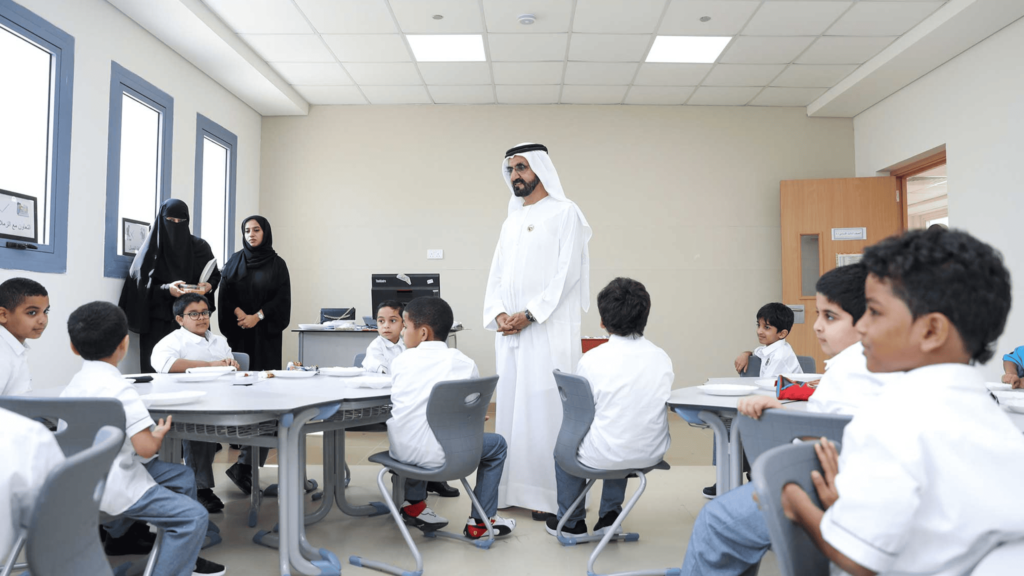
Dubai’s Vision for World-Class Education: The Road to Becoming a Global Hub by 2033 Dubai’s education sector is undergoing a remarkable transformation, guided by the ambitious Education 33 (E33) strategy. The goal? To position Dubai among the top 10 global education hubs by 2033. This vision, aligned with His Highness Sheikh Mohammed bin Rashid Al Maktoum’s foresight, focuses on equipping future generations with the skills, knowledge, and values needed to excel in a rapidly evolving world. Education 33: A Game-Changer for Dubai’s Education System The E33 strategy is a comprehensive roadmap designed to address global challenges and elevate Dubai’s education system. It is built on five key strategic pillars: Empowering Emirati students with high-quality education. Ensuring accessible and equitable education with a focus on student well-being. Promoting lifelong learning by engaging educators, parents, and the broader community. Positioning Dubai as a premier education destination for international students and investors. Fostering a research-driven ecosystem to drive innovation and excellence. Dubai’s Thriving Private Education Sector Dubai’s private schools are setting global benchmarks. According to PISA assessments, Dubai ranks among the world’s top 14 in mathematics, science, and reading, reinforcing its commitment to academic excellence. With 227+ private schools offering 17 diverse curricula, including British (36%), Indian (25%), American (15%), and International Baccalaureate (7%), students have access to world-class education tailored to global standards. Early Childhood and Primary Education: A Strong Foundation Dubai recognizes that a robust foundation is essential for lifelong learning. The emirate currently has: 274+ registered preschools, nurturing over 27,500+ young learners. 387,000+ students enrolled in primary education, benefiting from 17 different curricula. A strong emphasis on STEM education and digital literacy, ensuring students are prepared for the future workforce. Higher Education: Building the Workforce of Tomorrow Dubai is rapidly becoming a leading hub for higher education, attracting students from around the world. The emirate boasts: 34,893 students enrolled in higher education institutions. 7,679 graduates annually, contributing to a skilled workforce. 661 specialized programs, catering to diverse fields such as business, technology, engineering, and humanities. 39 higher education providers, with 34 internationally accredited institutions, ensuring globally recognized degrees. A learner-centered approach, shifting from traditional models to personalized learning experiences Innovation and Technology: Transforming Classrooms Dubai is revolutionizing education through technology. Smart classrooms, AI-driven learning tools, and digital platforms are enhancing the student experience. Investment in STEM programs, coding, and robotics prepares students for the evolving job market, ensuring they stay ahead in an AI-driven economy. Inclusivity and Multiculturalism: A Diverse Learning Ecosystem Dubai’s education system is one of the most diverse in the world, with students from over 180 nationalities. The Dubai Inclusive Education Policy Framework ensures that students with disabilities receive specialized support through tailored learning programs and assistive technologies. This inclusive approach fosters a welcoming environment for learners from all backgrounds. Raising the Bar: Teacher Standards and Quality Assurance Ensuring high teaching standards is a priority in Dubai. The Teacher and Educational Leadership Standards (TELS UAE) initiative guarantees that educators meet the highest qualifications. Continuous professional development programs keep teachers updated on modern methodologies, while KHDA and Ministry of Education inspections maintain world-class education standards across public and private institutions. Why Dubai is the Ultimate Education Destination With its world-class infrastructure, government-backed reforms, and commitment to innovation, Dubai is on a clear trajectory to becoming a global education powerhouse. Whether it’s early childhood learning, primary and secondary education, or higher education, Dubai is setting benchmarks that rival top international education systems. As the emirate continues to attract students, investors, and educators worldwide, its Education 33 strategy will shape the future of learning and cement Dubai’s status as a leader in global education. Dubai’s vision for education is bold, strategic, and future-ready. With an unwavering commitment to innovation, inclusivity, and academic excellence, the city is well on its way to achieving its 2033 goal. As Dubai continues to evolve as a top education hub, students, parents, and investors alike can expect unparalleled opportunities in a dynamic and thriving learning environment.    

Technology

Dubai Pioneering the Future of Smart Cities With AI Revolution

AI’s Massive Economic Potential Artificial Intelligence (AI) is going to be a big game changer in the global economy, and much of the value potential is up for grabs. According to industry studies, that AI could contribute up to $15.7 trillion to the global economy in 2030, more than the current output of China and India combined. Of this, $6.6 trillion is likely to come from increased productivity and $9.1 trillion is likely to come from benefits to consumers. the UAE is expected to see the largest impact of close to 14% of 2030 GDP. The annual growth in the contribution of AI is expected to range between 20-34% per year across the region Dubai Universal Blueprint for Artificial Intelligence The ‘Dubai Universal Blueprint for Artificial Intelligence’ is designed to accelerate the adoption of artificial intelligence (AI) applications. It seeks to achieve the targets of Dubai Economic Agenda D33 by contributing AED 100 billion annually to Dubai’s economy, increasing its productivity by 50 per cent through the implementation of innovative digital solutions. Key Goals of the Blueprint The plan serves as a roadmap for enhancing Dubai’s quality of life through AI by: incorporating AI across all strategic sectors providing the best environment for AI companies and global talent delivering superior government services through future technologies transforming Dubai into a global hub for AI governance and legislation Over the past years, the UAE government has launched and executed multiple AI-driven strategies. The Smart Dubai Strategy aims to transform Dubai digitally and is based on four primary pillars: Personalized Seamless Safe Efficient The United Arab Emirates (UAE) is at the forefront of utilising artificial intelligence (AI) to grow numerous sectors in today’s fast-paced world. AI integration has become a crucial aspect in driving the growth of many industries. AI in Various Sectors of the UAE Transportation: Dubai Autonomous Transportation Strategy that aims to transform about 25% of the total transportation in Dubai to autonomous mode by 2030. This would help reduce: Accidents by 12%, Carbon emissions by almost 12%, Transportation costs by around 44%. Financial Services: Provide personalized banking by utilizing credit risk modelling Chatbots for personalized financial advice, automation, and fraud prevention. Oil and Gas: Analyze seismic data to locate new drilling sites, automate maintenance, optimize supply chains, and automate repair of machinery. Forecast demand for gas, automate drilling equipment, and monitor pipelines. Healthcare: Delivering telehealth services for online doctor consultations and automating administrative tasks It has helped radiologists locate anomalies and facilitate pre-diagnosis on the basis of prevalent symptoms in the patient. Real Estate: The synergy of machine learning and artificial intelligence to assists with differentiating core opportunities from casual browsers but also delivers thorough information to assist real estate buyers in their decision-making process. VR experiences Logistics and Transportation: Data-driven insights to streamline supply chain operations. Machine learning algorithms optimize router computer vision to improve warehouse functionality. AI-powered chatbots also facilitate order tracking and offer predictive analysis to improve the speed of delivery. The United Arab Emirates (UAE) is embracing artificial intelligence as a core component in shaping its future economy and infrastructure. With initiatives like the Dubai Universal Blueprint for Artificial Intelligence and strategies across sectors like transportation, finance, healthcare, and real estate, Dubai is well on its way to becoming a global hub for AI governance and innovation. As AI continues to drive productivity and economic growth, Dubai’s proactive approach will not only enhance quality of life but also position the city as a leader in the global AI-driven economy.

Infrastructure

Impact of Transportation Infrastructure on Property and how Dubai Metro play a key role

The Challenges of Urbanization As cities continue to grow at a fast pace, they undergo an economic transformation by creating employment opportunities and attracting skilled workers. However, urbanisation also creates challenges, as cities are at times unable to efficiently manage unprecedented population growth. Lack of urban planning can result in high real estate prices and lack of affordable housing, increasing levels of pollution, and traffic congestion. In this case cities should invest in new technologies and sustainable solutions to facilitate movement and flow within urban centres. Transit-Oriented Developments (TODs) Transit oriented developments (TODs) are a planning strategy that aims to concentrate jobs, communities, and services around public transport stations. TODs integrate housing, offices, retail, hospitality and supporting amenities within a walkable environment located in proximity and well-connected to public transport networks. Successful TODs are ecosystems that offer a diverse range of real estate product that caters to various income levels and a wide demographic to foster inclusivity and liveability. Unlocking the highest value from surrounding land and real estate is a critical factor towards making TODs viable. Planned effectively, TODs present an opportunity to meet the real estate needs of a growing city without undermining the importance of open spaces. Dubai’s rapid Growth with Infrastructure development Dubai have seen rapid development over recent decades, supported by investment in infrastructure and improvements in technology. These trends have supported the development of new communities, as the city has expanded. Dubai’s population is growing 10.7% annually, and the current metro area population of Dubai in 2024 is 3,051,000, a 1.43% increase from 2023. This exponential population growth coupled with increasing tourist arrivals has challenged the city’s infrastructure over the years. Dubai Metro influence on the Growth of Real Estate investment The introduction of the Dubai Metro represents a major shift in the city’s mobility infrastructure and has had a significant contribution to accessibility and connectivity in the city, facilitating its expansion into a polycentric city. Well-planned mixed-use communities, have successfully leveraged on the metro connectivity to attract both residents and tourists. As the region’s transport infrastructure expands across key cities, TODs are likely to play an increasingly important role in real estate development. According to industry studies, that developments within a 15-minute proximity to metro stations have outperformed a wider market, with the right amenities and suitable urban infrastructure. Between 2010 and 2023, properties which were within a 15-minute walk of a Dubai Red Line metro station saw prices increase by 26.7% on average, outpacing Dubai’s average increase of 24.1% over the same period. And average rental rates for properties within the same proximity increased by 4.1%. As the city continues to expand, Dubai metro, likely to play an even more pivotal role in shaping Dubai’s urban landscape and driving sustainable economic growth.

The UAE: A Strategic Geographic Advantage
Research

At the Crossroads of Commerce: The UAE’s Strategic Advantage

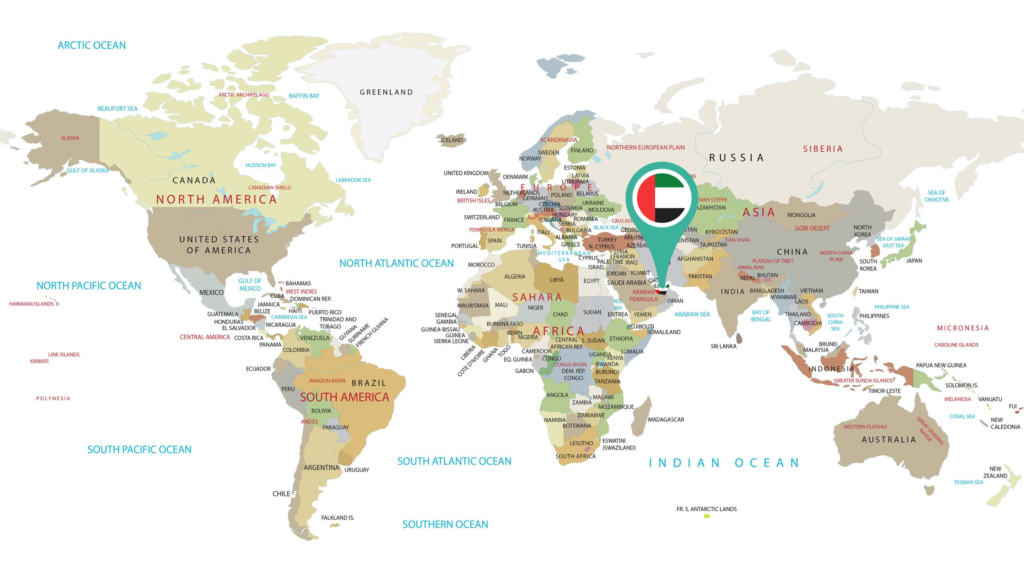
The UAE: A Strategic Geographic Advantage The UAE’s prime location at the heart of Europe, Asia, and Africa has been instrumental in its rise as a global trade hub. Its strategic position in the Arabian Gulf, coupled with world-class infrastructure and a conducive business climate, has solidified its dominance in the Middle East. Beyond its economic importance, the UAE’s geography is a defining factor in its identity. Its diverse landscape, from arid deserts to stunning coastlines, contributes to its allure as a tourist destination. Additionally, the country’s historical and geographical context has shaped its current role as a political and economic powerhouse. With its capital Abu Dhabi and the dynamic city of Dubai, the UAE stands as a beacon for businesses and investors worldwide. Its proximity to key markets and major shipping lanes further enhances its status as a global trade cent Unique Geographical Features of the UAE The UAE’s strategic location offers special geographical features that contribute to its distinctiveness and allure. Here are some noteworthy aspects: The UAE has a diverse terrain, ranging from vast deserts like the Rub’ al Khali to stunning mountain ranges like the Hajar Mountains. This diverse landscape provides opportunities for adventure tourism and outdoor activities. With a lengthy coastline along the Persian Gulf, the UAE boasts breathtaking beaches and crystal-clear waters. Destinations such as Jumeirah Beach and Corniche Beach offer residents and visitors a chance to relax, unwind, and indulge in water sports. Sharing borders with Oman to the east and Saudi Arabia to the south and west, the UAE’s strategic positioning enhances the regional influence and facilitates cross-border trade and collaboration. The UAE government’s strategic focus on creating a favorable investment climate has led to developing of world-class infrastructure and business-friendly policies. This attracts international investors and bolsters economic growth. The UAE is home to major ports such as Jebel Ali Port, Khalifa Port, and Port of Fujairah. These state-of-the-art facilities serve as vital hubs for global trade, contributing to the country’s status as a critical logistics and maritime center. The UAE’s geographical features, forward-thinking strategies, and strong government support position the country as a unique destination for business, tourism, and investment. Trade Advantages of the UAE’s Location The geographical advantages of the UAE offer many benefits, especially in terms of trade. Let’s explore: The UAE’s location and Its well-connected airports, seaports, and road networks facilitate efficient transportation of goods to and from various global destinations. The UAE’s strategically positioned free trade zones attract foreign investments and foster economic growth. These zones offer businesses tax benefits, streamlined customs procedures, and 100% ownership, making them highly attractive for commercial activities. The UAE’s proximity to emerging markets in the Middle East and Asia provides businesses with valuable opportunities for expansion and access to a broad consumer base. The UAE’s commitment to infrastructure development is evident in its investment in public projects. State-of-the-art facilities, such as Jebel Ali Port and Dubai International Airport, further enhance the UAE’s position as a global trade hub. The UAE strategic location has led to diverse industries, including logistics, finance, tourism, and manufacturing. This diversity creates a robust and dynamic economy, attracting investors and fostering economic stability. Considering these trade advantages, it’s clear why the UAE strategic location is a crucial driver of its economic success and plays a vital role in the country’s development and prosperity. Climate and the UAE Economy The UAE’s arid climate, while presenting challenges, has also driven economic innovation. Its strategic coastal location on the Arabian Gulf and Arabian Sea has fostered a robust maritime trade sector, positioning the nation as a regional shipping hub. To overcome water scarcity and food security issues, the UAE has invested heavily in advanced agricultural technologies. Hydroponics and vertical farming are transforming the agricultural landscape, reducing reliance on imports while diversifying the economy. A Historical Perspective of UAE’s Geography The UAE’s historical location has been pivotal in shaping the region’s development and cultural heritage. Situated at the crossroads of ancient trade routes, the UAE has been a hub of commerce and exchange for centuries. Its strategic position along the Arabian Gulf and the Arabian Sea facilitated maritime trade between the East and the West, allowing goods, ideas, and cultures to be exchanged. Furthermore, the UAE’s coastal landscapes and natural harbors provided safe havens for seafarers and traders, attracting merchants worldwide. The region’s historical significance is evident in archaeological sites, such as the ancient trading port of Mleiha and the well-preserved city of Al Ain, which offer glimpses into the UAE’s rich history and cultural diversity. How UAE’s Location Shaped Its History UAE Strategic Location has played a significant role in shaping the rich history of the UAE. The UAE’s geographical advantage and location features have left an indelible mark on the country’s historical narrative. Here are some key ways the UAE’s location has shaped its history: Situated at the intersection of ancient trade routes, the UAE became a thriving hub for commerce, connecting diverse cultures and facilitating the exchange of goods and ideas. With a vast coastline along the Arabian Gulf and the Arabian Sea, the UAE’s ports and harbors fostered maritime trade, attracting merchants worldwide. The UAE strategic location immersed it in a melting pot of cultures, resulting in a diverse society enriched by the influences of various civilizations. The UAE’s geographic position provided natural defenses, protecting against potential invasions and as a buffer between neighboring regions. Unique geographical features, such as prominent mountains and distinct landmarks, served as navigational aids for travelers and seafarers throughout history. The UAE’s strategic location has influenced its historical development and continues to shape its present-day growth, making it a vibrant global destination. How UAE’s Location Influences Middle East Politics Situated in a region of geopolitical importance, the UAE Strategic Location grants it a unique vantage point to engage with neighboring countries and global powers. Its strategic position allows the UAE to mediate, facilitating diplomatic dialogues and negotiations. Additionally, the country’s stability and security are paramount in maintaining peace and strength

Real Estate

8 reasons to invest in Dubai’s real estate

This dynamic city is one of the most exciting and attractive investment arenas in the world. Today, the name Dubai is synonymous with international trade, innovation, tourism, retail & serves as a world class geographic gateway to thousands of international companies that are headquartered here. Its real estate market, in particular, has captivated investors worldwide with its promise of lucrative returns and unparalleled opportunities. Here are 8 compelling reasons to invest in Dubai real estate: Low entry point : because Dubai is a fairly new city with a lot of growth potential today the entry point is low compared to other major world cities. You can buy a property in Dubai starting from USD 275,000 compared to USD 650,000 in Paris and New York. While in Singapore, Hong Kong and Munich you will need a minimum of USD 1 million. Competitive price per sq ft – Dubai is still fairly priced compared to the rest of the world. Price per sq ft averages at USD 351.7 per sq ft in Dubai while in cities like New York, Tel Aviv it averages at $1600 per sq ft and in London and Paris at $2400-2600 per sq ft. Large square footage : Housing affordability can vary from city to city. When it comes to value for your money the size of property you get for 1 million dollars differs significantly across the globe. In Hongkong, London & New York for example you will get 200-600 sq ft space for 1 million dollars whereas in Dubai you will be able to get about 1,469 sq ft for the same amount of money. Dubai definitely offer more bang for your buck. Tax-Free Environment: One of the most attractive features of investing in Dubai is its tax-free environment. With no income tax, capital gains tax, or property tax, investors can enjoy higher returns on their investments compared to many other global markets. This favorable tax regime makes Dubai an enticing destination for both local and international investors seeking to maximize their wealth. High Rental Yields: Dubai offers investors the opportunity to earn attractive rental yields, thanks to its strong rental market driven by a growing population and increasing demand for quality housing. With rental yields averaging between 6% to 10%, investing in Dubai real estate can generate steady income streams and provide a solid foundation for wealth accumulation. Regulated real estate market: Dubai real estate is regulated by the government’s Dubai Land Department and their Real Estate Regulatory Agency that monitors, manages and audits all developers, brokerages and transactions. This gives an inventory the peace of mind while investing knowing his money is safe. Diverse Investment Options: Dubai offers a diverse range of investment options to suit every investor’s preferences and objectives. Whether you’re interested in luxury villas, waterfront apartments, commercial properties, or off-plan developments, Dubai’s real estate market caters to a wide spectrum of investment opportunities tailored to different budgets and preferences. Future Growth Prospects: With ambitious mega-projects such as Expo 2020 and Dubai Vision 2040, the city’s real estate market is poised for continued growth and expansion. These initiatives drive demand for residential, commercial, and hospitality properties, creating new avenues for investment and ensuring a bright future for Dubai’s real estate sector. Investing in Dubai real estate offers a unique combination of stability, profitability, and growth potential that is hard to find elsewhere. With its favorable tax environment, high rental yields, world-class infrastructure, and strategic location, Dubai remains a top choice for savvy investors looking to capitalize on the city’s unrivaled opportunities and secure their financial future.  

Infrastructure

The Future of Dubai – Vision 2040

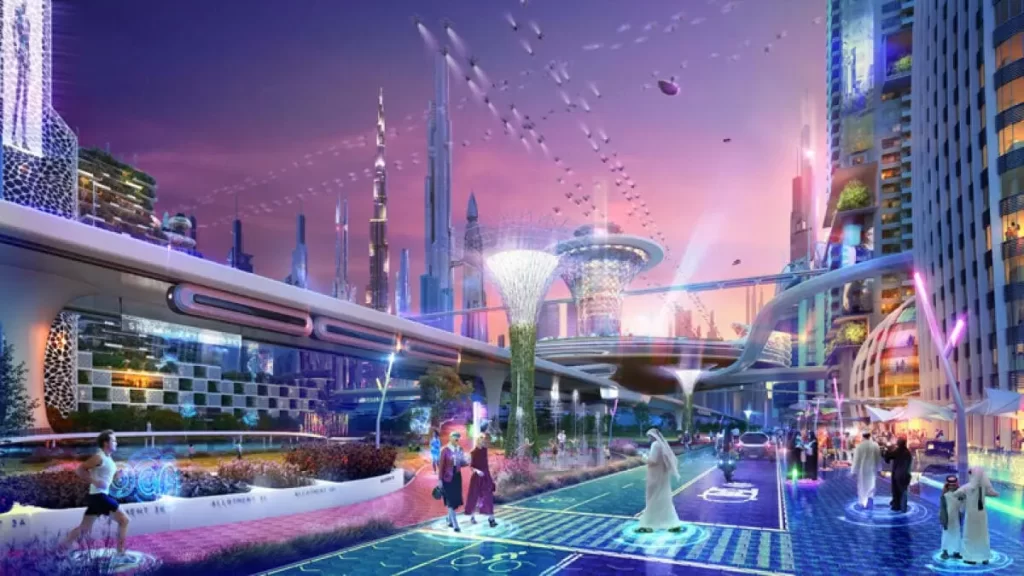
The Dubai 2040 Urban Master Plan charts out a comprehensive roadmap for a sustainable urban development in Dubai. This visionary plan sets the stage for Dubai to become one of the most advanced and sustainable cities in the world, focusing on enhancing people’s happiness and quality of life, catering to the evolving needs of its residents and visitors while preserving its unique identity over the next 20 years. Following are the key areas of focus of the plan: Sustainability as a Core Pillar: The cornerstone of Dubai’s 2040 urban master plan is sustainability. Dubai hosted the 28th chapter of the United Nations climate meet where world leaders gathered to discuss how to limit and prepare for climate change. The city aims to significantly reduce its carbon footprint by implementing renewable energy sources, increasing green spaces, and promoting eco-friendly transportation options. Green Initiatives: Dubai plans to integrate green initiatives throughout the city, including the widespread adoption of solar power, the implementation of water conservation measures, and the promotion of sustainable building practices to minimize environmental impact. Advanced Transportation Systems: The urban master plan prioritizes the development of cutting-edge transportation technologies, with the aim of 55% of the population to live within 800 meters of a main public transport station. Focus on increasing population : Dubai is one of the fastest growing cities in the world. It’s stellar growth from 40,000 people in the 1960’s to 3.6 Million at the end of 2023 is remarkable. By 2040 the population is expected to cross 7.8 million. Develop vibrant and healthy communities: doubling green and leisure areas by 105% to provide a healthy environment to residents and visitors and increase the length of public beaches by 400%. Also 60% of Dubai’s land will comprise of nature reserves and natural areas. Focus on tourism : Today Dubai is among the top four most visited cities in the world and the number one destination of choice for travelers  as per TripAdvisor. To drive further growth in this sector the 2040 urban plan will increase land area for hotels and tourist activities by 134% Boosting Economic development: the government plans to foster greater economic activity and attract foreign investments to new sectors. It also aims to be home to the most number of start ups in the region by providing a conducive environment for entrepreneurs. The 2040 master plan will dedicate 1.7 billion sq ft of land dedicated to industrial and economic activities. Education and healthcare : 25% increase in spaces  designated for education and health facilities are provisioned in the master plan. Dubai’s 2040 urban master plan embodies the city’s relentless pursuit of excellence and its unwavering commitment to shaping a better future for generations to come. With its focus on sustainability, connectivity, innovation, and community, Dubai is poised to redefine urban living. As the city continues to evolve and grow, one thing is certain – the future of Dubai is bright, bold, and brimming with possibilities.

Scroll to Top

Register You'r Interest

Download Apartment Brochure
Download Villa Brochure

Register Your Interest