Author name: Space Elephant

Blog, Real Estate

Dubai’s Prime Residential Market 2025: Redefining Global Luxury in Every Square Foot

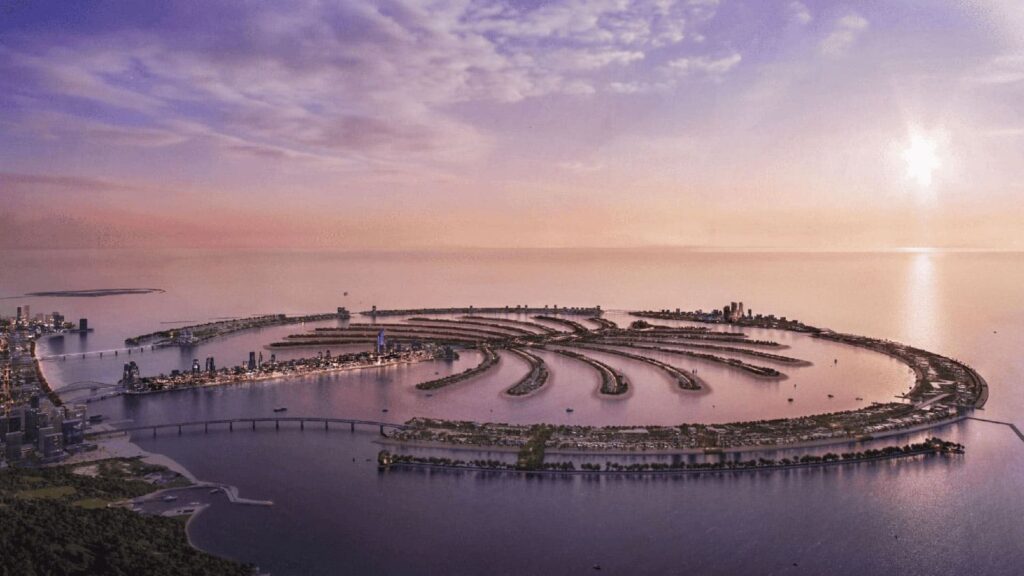
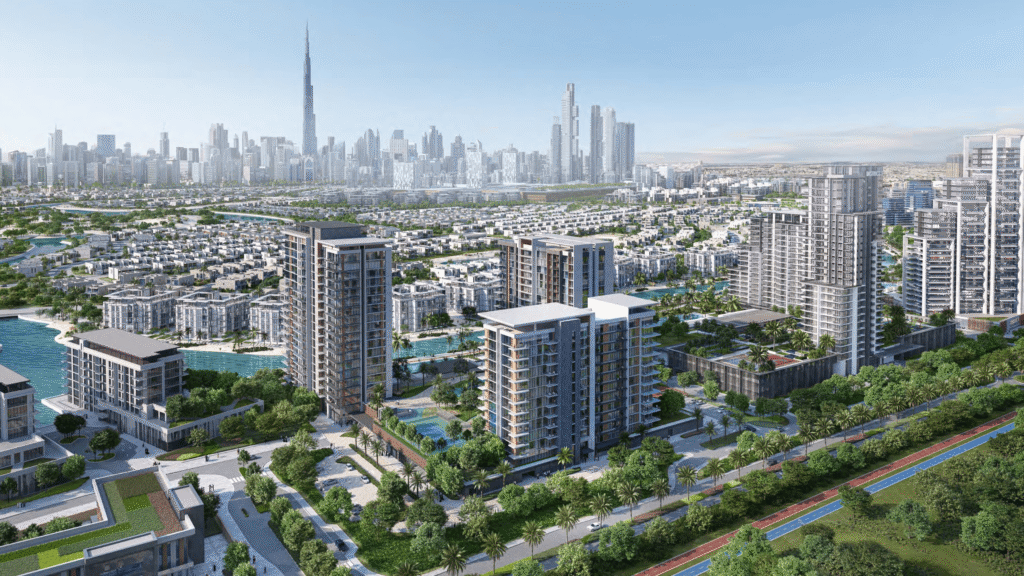
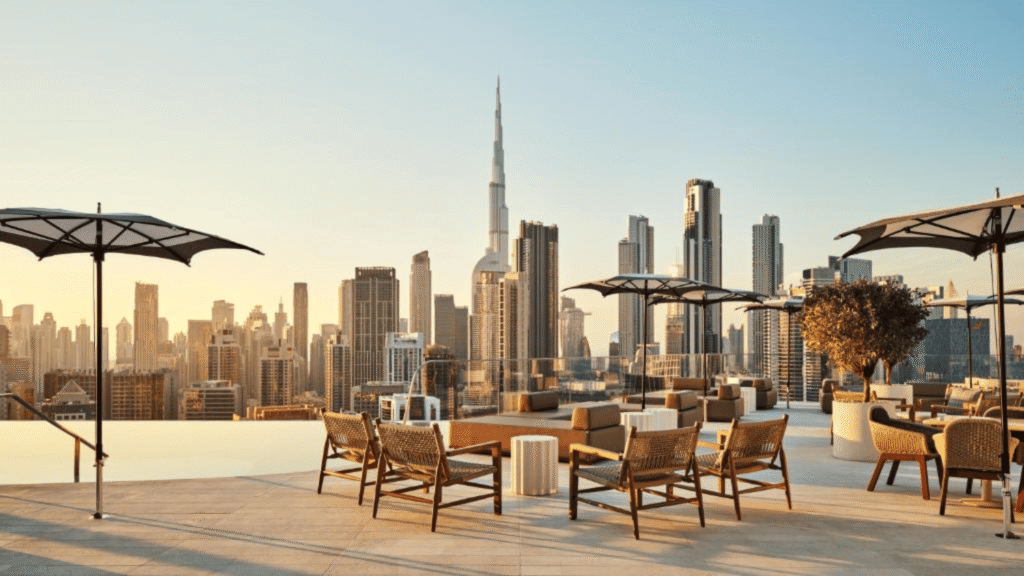
Dubai’s skyline isn’t just growing taller—it’s growing smarter, richer, and more selective. The emirate’s real estate sector has entered its fourth consecutive year of growth, driven by political stability, investor confidence, and the magnetism of a tax-free economy. As the world’s wealth gravitates toward lifestyle and legacy, Dubai continues to position itself as the epicenter of luxury living and the playground for global high-net-worth individuals (HNWIs). Our latest research, powered by transactional data from Downtown Dubai and Palm Jumeirah, quantifies exactly how much value a premium view adds to a property in Dubai’s ready market. These two communities were chosen for their clear visual hierarchies—Burj Khalifa views in Downtown and sea views in Palm—making them ideal for this kind of analysis. The Rise of the AED 10 Million Club While 93% of Dubai’s transactions still occur below AED 5 million, it’s the AED 10 million+ segment that’s stealing the spotlight. This elite category has grown tenfold—from just 469 transactions in 2020 to a staggering 4,670 in 2024.And the momentum is far from over. In just the first quarter of 2025, more than 1,300 properties changed hands at this premium level—a 31% year-on-year increase. The city’s luxury appetite is clearly evolving, and the numbers prove it. Off-Plan Takes Center Stage One of the most striking shifts is the dominance of off-plan sales in the luxury sector. As Dubai attracts a growing number of global investors and discerning end-users, off-plan projects have surged from just 14% of AED 10M+ transactions in 2020 to 69% in 2024 While ready sales have stayed steady at around 1,500 per year, off-plan transactions climbed dramatically—from 952 in 2022 to 3,233 in 2024. This shows investor trust in the city’s developers and confidence in long-term capital growth.Projects like Six Senses Residences, Baccarat Residences, Serenia Living, and Vela Viento are redefining luxury apartment living, while villa communities such as Palm Jebel Ali, District One West, The Acres, and Damac Islands are leading the off-plan villa revolution. Villas vs. Apartments: The Ongoing Duel Post-pandemic trends have tipped the scale toward villas, with apartments representing only 30% of AED 10M+ transactions in 2024, down from 35% in 2023. Buyers are clearly craving space, privacy, and natural light.However, apartments still command the higher price per square foot—around AED 5,000, compared to AED 2,700 for villas. In sought-after waterfront areas like Palm Jumeirah and Dubai Harbour, the price gap narrows dramatically, with villas reaching AED 5,000/sq ft and apartments AED 5,400/sq ft—a testament to Dubai’s unmatched coastal appeal. Where the Millions Move: Top Prime Hotspots In 2024, Palm Jumeirah remained the crown jewel of Dubai’s ultra-luxury scene, logging 441 transactions above AED 10 million across both villas and apartments. But new stars are emerging.Early 2025 indicators point to rising hotspots like Palm Jebel Ali, Nad Al Shiba First, and Jumeirah Golf Estates for villas, while Dubai Harbour, Downtown Dubai, and Palm Jumeirah lead the apartment league. Notable 2024 stats: Apartments: Downtown Dubai (233), Palm Jumeirah (246), Business Bay (170), and Dubai Harbour (126). Villas: Dubai Hills Estate (275), The Oasis (257), Nad Al Shiba First (206), and Palm Jebel Ali (210). These numbers reveal how Dubai’s luxury landscape is expanding beyond traditional zones—new communities are rising fast, backed by visionary master plans. Renovate to Elevate: A Growing Trend Luxury in Dubai isn’t just about new launches—it’s also about reimagining the old. Communities like Jumeirah Golf Estates, Arabian Ranches, and Dubai Hills Estate are witnessing a renovation boom.Buyers are upgrading older homes, and the difference between an original-condition villa and a newly renovated one can mean millions in resale value. Experts like Andrew Cummings, Head of Residential Agency at Savills Middle East, emphasize that with competition increasing, “buyers are becoming more discerning, and those renovating must consider their end product carefully.” The message is clear: in Dubai’s prime market, design and detail now rival location. Community Spotlight: Jumeirah Islands Few communities capture Dubai’s luxury resurgence like Jumeirah Islands. Once a quiet cluster of 46 man-made islands, it’s now among the hottest luxury addresses. Before 2021, no villa here had crossed the AED 10 million mark. Fast forward to 2024—89 villas sold above that threshold, representing 84% of all community transactions. And it’s not just volume—quality renovations are pushing average prices to over AED 6,300 per sq ft., outpacing even Emirates Hills and Dubai Hills. The most desirable homes now sit comfortably in the AED 20 million+ bracket, a threefold leap from their pre-pandemic values. Dubai’s Global Value Proposition Even at these soaring levels, Dubai remains a global bargain for the ultra-wealthy. Savills’ global comparison shows average prime property costs: Hong Kong – $3,860 per sq ft. New York – $2,590 London – $1,920 Singapore – $1,810 Mumbai – $1,200 Dubai – $930 per sq ft. Despite its global status and infrastructure, Dubai offers unmatched value, drawing investors seeking high-end living at competitive international prices The Magnetism of Wealth Migration Dubai’s population is reached 4 million by August 2025, doubling over the last 14 years. A significant portion of this growth comes from millionaires relocating for its tax-free regime, political stability, and world-class amenities. Savills’ Dynamic Wealth Index ranks Dubai as the top global city for attracting and developing individual wealth, driven by its location, lifestyle, and economic dynamism. The outlook for 2025 is optimistic: following 6.8% growth in 2024, Dubai’s prime residential market is projected to grow between 8% and 10%. While branded residences will continue to thrive, villas are set to dominate further as buyers increasingly seek wellness, space, and seclusion.Dubai’s prime residential market isn’t just thriving—it’s redefining global luxury. From the sands of Palm Jebel Ali to the lakes of Jumeirah Islands, the city’s growth story is built on innovation, ambition, and confidence. Every AED 10 million transaction tells a story—not just of real estate, but of lifestyle, vision, and the irresistible pull of a city that never stops evolving. Download the Full Report This blog covers only the surface of the comprehensive analysis found in our full report. For
Real Estate

Dubai’s Top Apartment Communities in 2025: A Deep Dive into Supply, Affordability & Investment Potential

As Dubai’s property market continues its upward trajectory, apartment communities across the city are witnessing dynamic shifts in both supply and pricing. The latest data-driven report analyzes over 2 70,000 apartment listings, revealing the top 30 communities by supply and affordability. Whether you’re an investor, homeowner, or tenant, this report offers invaluable insights to help you make informed real estate decisions. The report identifies trends across both established and emerging neighborhoods, offering a clear view of where supply is most concentrated, and where buyers can still find affordable entry points. Top 10 Communities by Apartment Supply One of the clearest indicators of market activity is supply. Communities with high volumes of available units often indicate robust development pipelines, investor interest, and rental market activity. Rank Community% Share of Total Listings 1. Jumeirah Village Circle – 10.7%2. Business Bay – 9.5%3. Dubai Marina – 6.3%4. Downtown Dubai – 4.7%5. Jumeirah Lake Towers (JLT) – 4.3%6. Arjan – 4.1%7. Dubai Silicon Oasis – 3.7%8. International City – 3.2% 9. Dubai Sports City – 2.8%10. Al Furjan – 2.6% These areas are not only delivering on quantity but also represent the broad spectrum of price points available across Dubai — from affordable options in Arjan and Silicon Oasis to high-end communities like Downtown and Business Bay. These areas are not only delivering on quantity but also represent the broad spectrum of price points available across Dubai — from affordable options in Arjan and Silicon Oasis to high-end communities like Downtown and Business Bay. Most Affordable Communities by Price per Sq. Ft. For budget-conscious buyers or those looking for higher rental yield, affordability is key. Here are the top 10 most affordable communities based on average price per square foot: RankCommunityAvg. Price (AED/sq. ft.) 1. International City – 6542. Liwan – 749    3. Dubai South – 7544. Dubai Production City – 7835. Dubai Investment Park – 8066. Dubailand – 8337. Dubai Silicon Oasis – 8528. Al Warsan – 8739. Al Furjan – 90010. Jumeirah Village Circle – 961 International City remains the most cost-effective area for buyers, with an average rate of just AED 654/sq. ft., while JVC combines moderate pricing with high supply and rental demand, making it a strong contender for investors. Premium Communities with High Price Points Dubai’s prime residential neighborhoods continue to attract luxury buyers and investors: RankCommunityAvg. Price (AED/sq. ft.) 1. Downtown Dubai – 2,3352. Palm Jumeirah – 2,1183. Dubai Marina – 1,8194. Business Bay – 1,7045. Jumeirah Beach Residences – 1,694 These communities are known for their premium finishes, waterfront living, proximity to landmarks, and consistent capital appreciation. What This Means for Buyers & Investors First-Time Buyers & End-Users: Communities like Dubai South, Liwan, and Dubai Silicon Oasis provide affordable entry points into the market without sacrificing connectivity or future potential. Buy-to-Let Investors: JVC, Arjan, and International City stand out for high rental demand, decent yields, and active project development. Luxury Investors: For those targeting luxury or branded residences, Downtown Dubai, Palm Jumeirah, and Dubai Marina continue to lead the market in prestige and pricing. Market Trends to Watch Affordability is Driving Demand: With rising prices in prime areas, demand is shifting toward emerging communities offering better value per sq. ft. Supply is Still Expanding: JVC, Arjan, and Dubai South are witnessing significant supply additions, indicating a sustained developer focus on mid-market and affordable segments. Balanced Growth Expected: Dubai’s well-planned infrastructure and increasing population ensure that both affordable and luxury segments will see healthy activity in 2025 and beyond. This blog covers only the surface of the comprehensive analysis found in our full report. For in-depth data tables, community-by-community breakdowns, and expert commentary: Download the Full Report – Top Apartment Communities analysis by Supply & Affordability Stay ahead in Dubai’s real estate market with data that drives decisions. Whether you’re buying, selling, or investing — understanding the pulse of each community is key to making smart moves.

Blog, Real Estate

Do Views Really Drive Value in Dubai Real Estate? A 2024 Data-Backed Breakdown

When buyers in Dubai say they want “the best view,” it’s more than just a lifestyle preference—it’s an investment decision that can significantly impact property values. In 2024, views are proving to be not just a luxury, but a market-moving asset. Our latest research, powered by transactional data from Downtown Dubai and Palm Jumeirah, quantifies exactly how much value a premium view adds to a property in Dubai’s ready market. These two communities were chosen for their clear visual hierarchies—Burj Khalifa views in Downtown and sea views in Palm—making them ideal for this kind of analysis. Community-Level Insights: The Price of a View in 2024 Let’s start with the big picture. Downtown Dubai saw an average price premium of 30% for units with direct Burj Khalifa views. Palm Jumeirah outperformed slightly, with an average premium of 32.33% for sea-facing units. This isn’t just a slight bump—it’s a market-defining trend. When 30%+ premiums are consistently recorded in high-transaction communities, the impact is too significant to ignore. Intra-Building Analysis: Where the View Pays Off The real nuance comes when we look at individual buildings, where view types can vary floor by floor or stack by stack. Here’s where the data gets more revealing—and in some cases, surprising. Downtown Dubai: View Premiums Are Strong, But Not Always Guaranteed The Address Residence Dubai Opera: Units with Burj views commanded a 33.81% higher price on average. The Address BLVD: Maintained a strong 31.25% premium, showing sustained demand. 29 Burj Boulevard Tower 2: Only a 2.91% premium—likely due to demand shifts or unrecorded upgrades in standard units. BLVD Heights: Delivered a 7.08% average premium, though the trend reversed in later months. Boulevard Central: The anomaly—premium views only fetched a 0.53% premium, indicating that layout, age, or unit condition may have overshadowed view considerations. Takeaway: While Downtown generally rewards views, not all buildings are created equal. High-spec finishes or recent renovations can sometimes eclipse the importance of the view alone. Palm Jumeirah: Views Are King—and Sometimes, Emperor The Palm consistently showed more volatile yet aggressive premiums, likely due to the lifestyle value placed on uninterrupted sea views. Shoreline – Msalli: The standout performer. Average premium of 46.7%, peaking at a massive 109.22% in October. Fairmont North Residences: Strong and consistent, with a 68.83% average premium, and 97.51% in peak months. Fairmont South Residences: Mirrored the North with a 47% yearly premium, peaking just under 110% in April. Anantara Residences: More modest, but still notable at 11.37% average premium. Balqis Residence: The outlier—only a 0.51% premium, which may be due to a price crash in standard units during August. Takeaway: Palm Jumeirah residents pay a serious premium for the view—but with some significant variations by building, month, and even unit type. The presence of a hotel brand, beach access, and unit finish levels likely amplify the impact of the view. What Explains the Anomalies? In a market as dynamic as Dubai’s, several non-visible or non-recorded factors can influence pricing: Renovations & refurbishments not reflected in listing data Age of the building and maintenance history Stack orientation (e.g., same view but less optimal angles) Floor level, especially in mixed-view towers Amenities and brand reputation (e.g., branded residences like Fairmont vs. non-branded) Until Dubai’s property data ecosystem evolves to capture these variables, anomalies like those seen in Boulevard Central or Balqis will persist. What This Means for Buyers and Investors For investors, understanding the “view premium” can uncover arbitrage opportunities—where standard view units may be undervalued due to timing or mispricing. For end-users, the data reinforces the idea that paying for a view may not just be emotional—it could yield a higher resale value in the long term. And for brokers and developers, these insights can inform pricing strategies, marketing angles, and even architectural planning. Download the Full Report This blog covers only the surface of the comprehensive analysis found in our full report. For in-depth data tables, community-by-community breakdowns, and expert commentary:
Trump’s 2025 Tariffs Are Reshaping Global Investment Behavior — Why UAE Real Estate Is Emerging as a Prime Safe Haven The Dubai Journal
Real Estate

Trump’s 2025 Tariffs Are Reshaping Global Investment Behavior

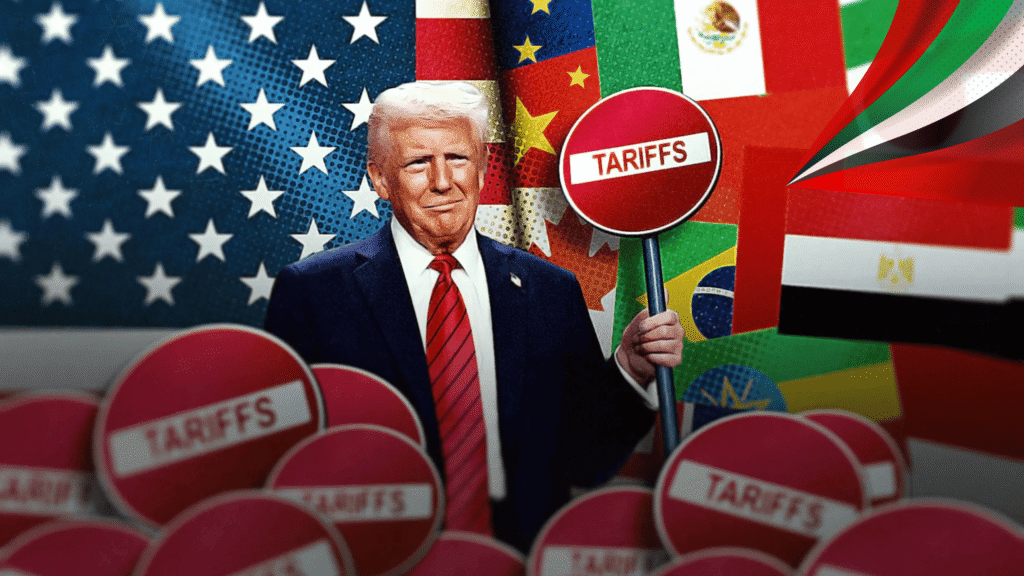
Trump’s 2025 Tariffs Are Reshaping Global Investment Behavior — Why UAE Real Estate Is Emerging as a Prime Safe Haven In April 2025, President Donald Trump announced a sweeping tariff policy: a blanket 10% tax on all imports into the U.S., alongside targeted duties of 34% on Chinese goods, 24% on Japanese imports, and 20% on goods from Europe. On paper, this is a nationalist economic revival effort. In reality, it’s a global signal flare, triggering a massive redirection of capital, manufacturing, and investor focus. One of the biggest beneficiaries of this shift? The UAE — and more specifically, Dubai’s real estate sector. The Dollar Falls, the Dirham Follows — And Investors Smell Opportunity Because the UAE dirham is pegged to the U.S. dollar, any sharp depreciation in the dollar immediately impacts the dirham’s global buying power. Following Trump’s tariff announcements, markets reacted. The dollar declined under pressure from inflationary fears and retaliatory trade restrictions. As a result, the UAE dirham also weakened, unintentionally triggering a wave of affordability for international investors holding stronger currencies. European, Indian, Russian, and Chinese investors — many already watching Dubai for its luxury lifestyle and business-friendliness — saw an opening. High-value properties in premium Dubai neighborhoods were now effectively discounted in currency terms. Dubai’s real estate sector is dollar-linked in valuation, but the costs of acquisition to foreign buyers dropped overnight due to FX dynamics. In short, they were buying Dubai at a discount. Hard Stats: Dubai’s Real Estate Boom Is Quantifiable AED 142.7 billion ($38.9 billion) in property transactions in Q1 2025 alone. That’s a 30% increase in value over Q1 2024. 23% increase in transaction volume YoY. 75% price appreciation per sq. ft. between 2021–2024 across core Dubai sectors. 6,700 millionaires relocated to the UAE in 2024, the highest net inflow globally. Dubai offers rental yields of 6–8% on mid-market residential assets and even higher in select commercial sub-markets. This data isn’t noise. It’s a macro signal. Investors are rebalancing portfolios toward tangible, income-producing assets in politically neutral, tax-efficient jurisdictions. Dubai checks every one of those boxes. The Trump Tariff Effect — Not Just Currency Tariffs aren’t just a financial lever. They distort global trade flows. They inflate manufacturing input costs — particularly in sectors like steel, aluminum, and cement. That’s already feeding into the global construction ecosystem. While U.S. developers are watching costs surge due to steel and copper shortages, Dubai is facing a more modest impact. The UAE’s diversified trade ties and free zone policies allow it to re-route procurement. Still, global inflation is causing off-plan prices to rise. Developers in Dubai are responding with aggressive payment plans: 50-50 splits, post-handover schedules, and developer-backed rental guarantees. For cash-rich investors, this is a window to secure discounted assets in a market still on an upward curve. Dubai’s Tax Framework: Clear, Predictable, and Investor-Friendly In a post-pandemic, tariff-inflated global environment, many countries are responding with higher taxes to cover fiscal gaps. The UAE, however, has doubled down on its investor-centric model. Dubai offers a property investment environment where key burdens like annual property tax, income tax on rental revenue, or capital gains tax on sales simply do not apply. What this means in practical terms: Investors keep the entirety of their rental income. Capital appreciation is not taxed upon exit. There are no ongoing annual government levies on owned property. Aside from a one-time 4% transfer fee on purchase, there are no hidden recurring charges. This simplicity enhances net yield and long-term profitability — especially for high-net-worth individuals and institutional players accustomed to complex and costly tax regimes in the U.S., Europe, or Asia. Logistics, Corporate Relocation, and the Rise of Industrial Real Estate Tariffs are forcing companies to reconsider supply chain geographies. Manufacturing hubs in China are seeing exodus. Europe’s production costs are rising. Enter the UAE: centrally located, politically stable, trade-flexible. Free zones like Jebel Ali, Dubai South, and Sharjah Airport Free Zone are seeing renewed demand. Corporations are relocating parts of their assembly lines and logistics to the UAE to reclassify products’ country of origin for customs reasons. This has knock-on effects: Rising demand for industrial real estate. Bonded storage, warehousing, and value-add processing facilities are in high demand. Developers with exposure to mixed-use and logistics corridors are outperforming. Investor Behavior Is Evolving Where does capital go when markets become unpredictable? It flows toward resilience: Luxury villas and branded residences in Palm Jumeirah, Downtown, and Dubai Hills. Mid-market apartments in JVC, Arjan, and Dubai South for strong rental play. Off-plan launches from tier-one developers like Emaar and Sobha with aggressive terms. Commercial assets with international tenants locking 3-5 year leases. U.S. investors, in particular, are looking to hedge against an inflationary domestic environment and diversify out of dollar-based equities. Dubai offers exposure to real estate with global demand, FX tailwinds, and zero tax drag. Visa Incentives Seal the Deal The 10-year Golden Visa (for property investments above AED 2M) and multi-year residency options have redefined the investment calculus. Investors aren’t just buying an asset; they’re buying a lifestyle, optionality, and mobility. For family offices, this becomes an estate planning tool. For entrepreneurs, it’s a base in a tax-efficient business hub. For retirees, it’s safety, sun, and savings. Real Estate Is the New Neutral Trump’s tariffs weren’t aimed at Dubai. But the shockwaves are global. As the world rebalances, the UAE is emerging not just as a safe haven, but as a forward base for capital preservation and growth. This blog has explored: How tariff-driven currency shifts are driving UAE real estate demand. The unmatched tax efficiency and ownership advantages for foreign investors. Why Dubai’s real estate market is attracting global capital, corporates, and families alike. Where the smart money is flowing: from logistics hubs to branded residences. Dubai’s opportunity isn’t speculative — it’s structural. For globally minded investors, it’s time to seriously consider where growth, safety, and strategic exposure intersect. Right now, that intersection is in the UAE’s property market.

The Oil Story: How It All Began and Oil's Role in Dubai's Early Infrastructure Development The Dubai Journal
History

The Oil Story: How It All Began and Oil’s Role in Dubai’s Early Infrastructure Development

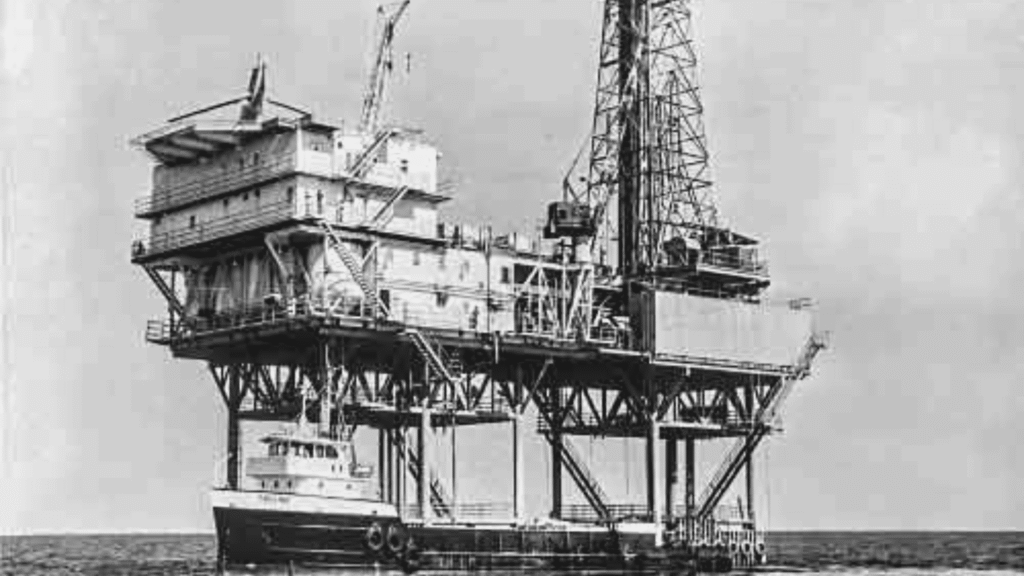
Dubai’s Oil Boom (1966–1990s): The Foundation of Economic Growth The discovery of oil in 1966 marked a pivotal turning point in Dubai’s economic transformation. What was once a modest trading hub rapidly evolved into a global city, fueled by newfound oil wealth. The offshore Fateh-1 well, located approximately 55 miles north of Dubai, began production in 1969, yielding around 100,000 barrels of oil per day. This boom provided the capital necessary for infrastructure expansion, economic diversification, and the creation of a world-class business environment. Sheikh Rashid’s Ingenious Plan to Prove Dubai’s Oil Discovery Before oil was discovered offshore in 1966, Dubai had spent decades searching for it. The emirate had been overshadowed by Abu Dhabi, which struck oil in 1958. When Dubai finally discovered oil 15 miles offshore, skepticism remained among the local population. Many feared it was another false alarm. To prove that Dubai had indeed struck oil, Sheikh Rashid devised a remarkable plan: A Sand Bund was Built – A structure was created on the banks of Dubai Creek to hold liquid. Oil Transported Onshore – A barge was loaded with crude oil from the Fateh Oil Field and towed to Dubai Creek. Oil Piped into the Sand Bund – Sheikh Rashid ordered the crude oil to be pumped into the bund. A Historic Moment Captured – Late photographer Noor Rashid Ali documented the iconic moment when Dubai’s people saw their oil for the first time. The Visionary Leadership of Sheikh Rashid bin Saeed Al Maktoum Sheikh Rashid bin Saeed Al Maktoum, Dubai’s ruler from 1958 to 1990, had the foresight to understand that oil wealth was temporary. He believed in reinvesting revenue from oil into projects that would secure Dubai’s long-term economic sustainability. Under his leadership, oil revenues were strategically allocated to critical sectors: 1. Port Development Port Rashid (1972) and Jebel Ali Port (1979) transformed Dubai into a global maritime hub, enhancing trade and logistics infrastructure. 2. Aviation Expansion Dubai International Airport was developed to position Dubai as an international aviation center, boosting connectivity and tourism. 3. Urban Planning & Business Hubs The Dubai World Trade Centre (1978) marked the beginning of Dubai’s emergence as a global business and financial hub. Key Milestones in Dubai’s Oil Industry 1966 – Oil is discovered at the offshore Fateh field. 1969 – Dubai exports oil for the first time with a shipment of 180,000 barrels. 1972 – Drilling operations begin at the Falah oil field. 1973 – The Rashid oil field is discovered, with production commencing in March 1979. 1982 – The Margham onshore oil field is discovered, with production starting in 1984. 1999 – Emirates National Oil Company (ENOC) establishes its first oil refinery, producing 120,000 barrels per day at a cost of Dh1.5 billion. 2000 – Dubai signs a Memorandum of Understanding (MoU) to join the Dolphin Project, securing Qatari gas supply. 2007 – Dubai Petroleum assumes full control of all oil and gas projects in the emirate. Dubai’s Oil Reserves and Production Today Dubai has an estimated 4 billion barrels of oil in reserve, making it the second-largest holder of oil reserves in the UAE. However, production peaked in 1991 at 410,000 barrels per day (b/d) and has been steadily declining ever since. Currently, Dubai’s oil fields include: Fateh Southwest Fateh Falah Rashid Margham (onshore field, producing ~25,000 b/d of condensate) Key Players in Dubai’s Oil Industry Dubai Petroleum Company (DPC) – The primary operator of Dubai’s oil and gas sector. ENOC (Emirates National Oil Company) – Government-owned company managing oil refining and distribution. EPCO (Emirates Petroleum Products Company) – A subsidiary of ENOC, operating over 125 distribution stations in Dubai and the Northern Emirates. The Shift from Oil to a Diversified Economy Dubai’s oil reserves are expected to be depleted within the next 20 years, making economic diversification a necessity. Sheikh Rashid’s early investments in trade, tourism, logistics, and finance paved the way for Dubai’s post-oil future. Today, Dubai thrives on industries such as: Real estate & infrastructure development Tourism & hospitality Global trade & logistics Financial services & technology Dubai’s oil boom was a stepping stone rather than a destination. The emirate’s leadership understood the transient nature of oil wealth and successfully leveraged it to build a thriving, diversified economy. From the construction of world-class infrastructure to the establishment of global trade and financial hubs, oil played a crucial role in shaping modern Dubai. As Dubai continues to grow as a global investment and business hub, its success serves as a testament to the visionary leadership that transformed temporary oil wealth into lasting economic prosperity.

Business

Dubai’s Trade & Industrial Growth: Expanding Opportunities, Strengthening Global Presence

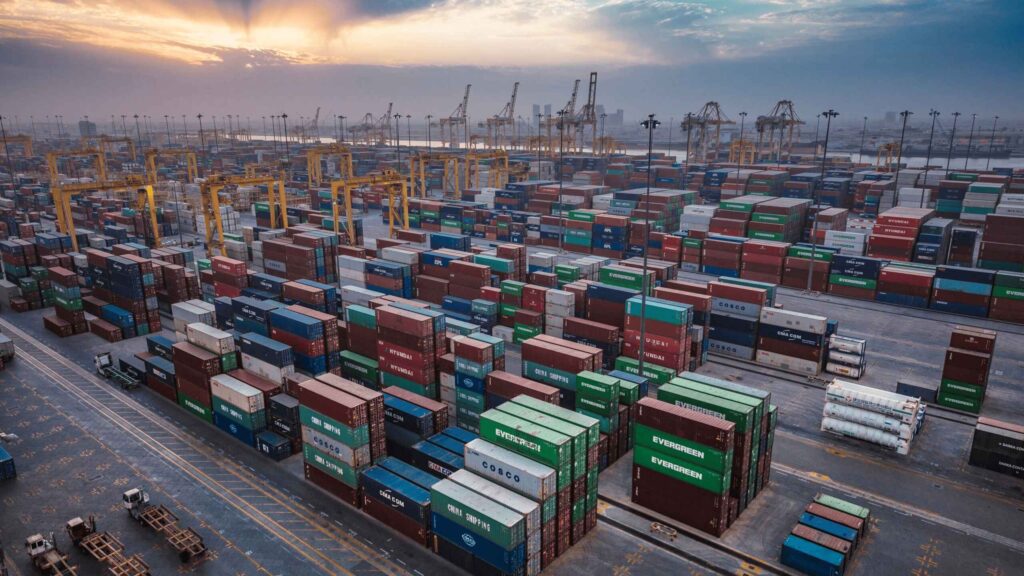
Dubai continues to solidify its position as a global trade and industrial hub, driving economic growth through strategic initiatives, international partnerships, and robust industrial expansion. With remarkable advancements in foreign trade, non-oil exports, and industrial development, the emirate is fast-tracking its economic ambitions while creating new opportunities for businesses and investors. Foreign Trade: A Trillion-Dirham Economy   Dubai’s trade sector has reached new milestones, with the UAE’s total foreign trade hitting AED2.997 trillion ($815.7 billion) by the end of 2024, reflecting a 14.6% year-on-year (YoY) increase. This growth far surpasses the 2.4% global trade growth, showcasing the country’s ability to navigate economic shifts and capitalize on emerging markets.   Non-Oil Trade Expansion Non-oil trade remains a key driver of economic diversification: Non-oil exports surged to AED561.2 billion, marking an impressive 27.6% increase. Comprehensive Economic Partnership Agreements (CEPA) played a pivotal role, contributing AED135 billion, a 42% rise. Re-exports reached AED734.4 billion, growing by 7.3% YoY, strengthening Dubai’s position as a re-export powerhouse. Rising Imports Reflect Growing Demand The UAE’s non-oil imports increased 14.2%, totaling AED1.701 trillion. The top imported commodities included: Gold (a major trade commodity for Dubai) Mobile phones (aligning with the region’s high consumer demand and tech industry growth) Petroleum oils (critical for industrial and energy needs) Industrial & Warehousing Market on the Rise Dubai’s industrial and warehousing sector is experiencing strong demand, driven by logistics, e-commerce, and manufacturing growth: JAFZA (Jebel Ali Free Zone) rents surged by 28% YoY, reflecting high demand for premium industrial spaces. Warehouse rental rates in key areas like Dubai South and Dubai Investment Park (DIP) have seen significant increases, fueled by e-commerce and logistics expansion. Dubai’s industrial zones continue to attract global manufacturers and distributors, reinforcing its role as a strategic gateway for regional and international trade. A Thriving Hub for Trade & Industry Dubai’s strategic policies, strong economic vision, and world-class infrastructure continue to propel its trade and industrial sectors forward. With growing foreign trade, an expanding industrial base, and a thriving business ecosystem, Dubai remains a powerhouse for global investment and economic success. As the emirate accelerates towards its long-term economic goals, businesses and investors can expect even more opportunities in the region’s evolving trade and industrial landscape.

Dubai’s Global City Index 2024: A Testament to Excellence
Research

Dubai’s Global City Index 2024: A Testament to Excellence

Dubai has once again solidified its status as a leading global metropolis, securing remarkable achievements across multiple international indices in 2024. The city’s strategic vision, robust economy, and commitment to innovation have propelled it to new heights, surpassing global competitors and reinforcing its position as a premier destination for investment, business, and quality of life. Dominating the Global City Index 2024 Dubai has been ranked #1 in the Middle East and Africa for the second consecutive year, and more impressively, has climbed to 5th place globally in the Global City Index 2024 by Brand Finance. This significant jump places Dubai ahead of economic powerhouses like Singapore, Los Angeles, and Amsterdam, with an outstanding score of 86/100. Key Performance Highlights #1 globally in Reputation and Investment Appeal: Dubai is the most desirable investment destination worldwide, reflecting its business-friendly environment and economic stability. #2 globally for Economy: The city’s strategic location and advanced logistics infrastructure have strengthened its role as a global trade and business hub. #1 globally for Future Growth Potential: Dubai continues to lead in innovation, driven by institutions like the Dubai Future Foundation, which fosters technological and business advancements. Significant improvements in Local and Remote Work Opportunities: Climbing from 24th to 4th place globally, Dubai’s dynamic business environment has enhanced its attractiveness for professionals worldwide. Unmatched Quality of Life and Investment Potential Dubai’s commitment to offering a world-class lifestyle is evident in its top rankings across multiple categories: Leading Education System: Ranked #1 in both the ‘Great Private Schools’ and ‘Great Publicly Funded Schools’ Index. Seamless Connectivity & Visa Access: Excelling in Local and International Connectivity, making it one of the easiest cities for expatriates and businesses to operate in. Corporate Tax Advantage: Ranked 3rd globally for its attractive corporate taxation policies, further strengthening its appeal to businesses and investors. Regional and Global Recognition Dubai’s influence is not only regional but also extends onto the global stage: Second Best City of Global Significance: Surpassing London, Dubai continues to elevate its reputation as a key player in international business and finance. Top Rankings in MENA: Leading in key areas such as work opportunities, investment prospects, living standards, retirement benefits, education quality, and tourism appeal. Sustainability and Human Development Dubai and the UAE’s commitment to sustainable development is evident through the following rankings: Travel and Tourism Development Index 2024: The UAE ranked #1 in MENA and 18th globally, improving its score by 4.4% since 2019, highlighting the nation’s dedication to sustainable tourism growth. Human Development Index 2024: The UAE achieved #1 in MENA and #17 globally, climbing nine places and surpassing advanced economies like Canada, the U.S., and Japan. Key indicators include a high life expectancy of 79.2 years and strong performance in education metrics. World Competitiveness and Economic Strength The UAE’s ascent in global competitiveness further cements its economic strength: Ranked #7 globally in the World Competitiveness Report 2024, climbing three places. #2 in Economic Performance, #4 in Government Efficiency, and #10 in Business Efficiency. #1 in 11 global indicators, including industrial disputes and labor force participation. #2 in 9 indicators, including tourism receipts and adaptability of government policy. A Promising Future Dubai’s continuous rise in global rankings is a testament to its visionary leadership, strategic investments, and unwavering commitment to progress. Whether it’s in business, education, sustainability, or quality of life, the city continues to set benchmarks for excellence, attracting investors, entrepreneurs, and professionals from around the world. With its unparalleled infrastructure, business-friendly policies, and forward-thinking initiatives, Dubai is not just a city—it is a global force shaping the future. As it continues to climb the ranks of the world’s most influential cities, Dubai’s trajectory remains one of sustained growth, innovation, and prosperity.

Scroll to Top

Register You'r Interest

Download Apartment Brochure
Download Villa Brochure

Register Your Interest