
Business

Business

Dubai’s Trade & Industrial Growth: Expanding Opportunities, Strengthening Global Presence

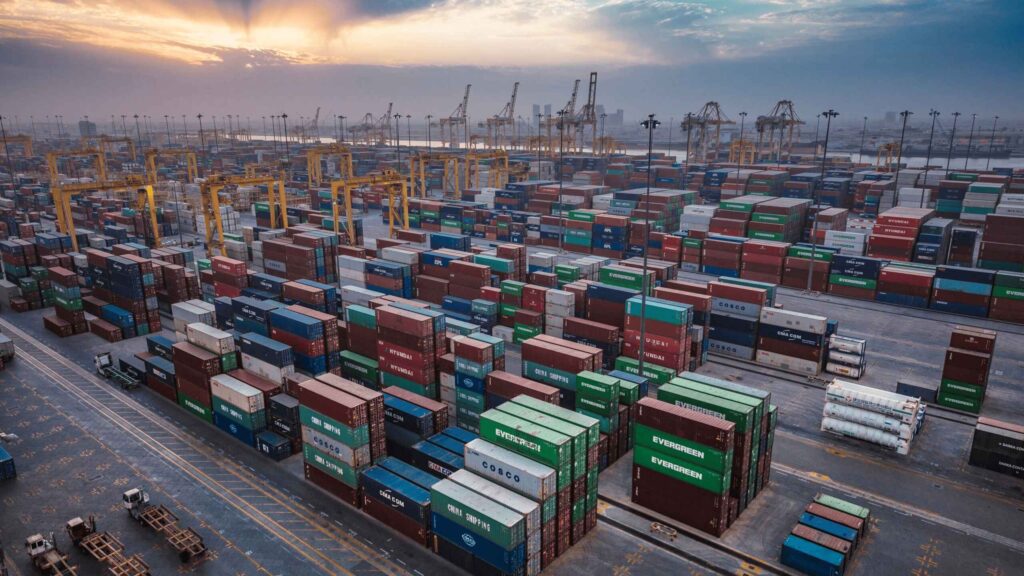
Dubai continues to solidify its position as a global trade and industrial hub, driving economic growth through strategic initiatives, international partnerships, and robust industrial expansion. With remarkable advancements in foreign trade, non-oil exports, and industrial development, the emirate is fast-tracking its economic ambitions while creating new opportunities for businesses and investors. Foreign Trade: A Trillion-Dirham Economy   Dubai’s trade sector has reached new milestones, with the UAE’s total foreign trade hitting AED2.997 trillion ($815.7 billion) by the end of 2024, reflecting a 14.6% year-on-year (YoY) increase. This growth far surpasses the 2.4% global trade growth, showcasing the country’s ability to navigate economic shifts and capitalize on emerging markets.   Non-Oil Trade Expansion Non-oil trade remains a key driver of economic diversification: Non-oil exports surged to AED561.2 billion, marking an impressive 27.6% increase. Comprehensive Economic Partnership Agreements (CEPA) played a pivotal role, contributing AED135 billion, a 42% rise. Re-exports reached AED734.4 billion, growing by 7.3% YoY, strengthening Dubai’s position as a re-export powerhouse. Rising Imports Reflect Growing Demand The UAE’s non-oil imports increased 14.2%, totaling AED1.701 trillion. The top imported commodities included: Gold (a major trade commodity for Dubai) Mobile phones (aligning with the region’s high consumer demand and tech industry growth) Petroleum oils (critical for industrial and energy needs) Industrial & Warehousing Market on the Rise Dubai’s industrial and warehousing sector is experiencing strong demand, driven by logistics, e-commerce, and manufacturing growth: JAFZA (Jebel Ali Free Zone) rents surged by 28% YoY, reflecting high demand for premium industrial spaces. Warehouse rental rates in key areas like Dubai South and Dubai Investment Park (DIP) have seen significant increases, fueled by e-commerce and logistics expansion. Dubai’s industrial zones continue to attract global manufacturers and distributors, reinforcing its role as a strategic gateway for regional and international trade. A Thriving Hub for Trade & Industry Dubai’s strategic policies, strong economic vision, and world-class infrastructure continue to propel its trade and industrial sectors forward. With growing foreign trade, an expanding industrial base, and a thriving business ecosystem, Dubai remains a powerhouse for global investment and economic success. As the emirate accelerates towards its long-term economic goals, businesses and investors can expect even more opportunities in the region’s evolving trade and industrial landscape.


Business

The UAE’s Role in Shaping Global Economic Cooperation through BRICS

The UAE’s accession to BRICS in 2024 marks a pivotal step in its global economic strategy, reinforcing its commitment to international collaboration and sustainable development. BRICS, comprising Brazil, Russia, India, China, and South Africa, represents 45% of the world’s population (around 3.3 billion people) and accounts for approximately 37.3% of global GDP. Projections indicate that BRICS could surpass the G7 in global trade by 2026, positioning it as a key player in the global economy. UAE’s Strategic Industrial Engagement within BRICS As part of its expanding role, the UAE recently participated in the 8th BRICS Industry Ministers Meeting, alongside Brazil, Russia, China, Egypt, Ethiopia, India, Iran, and South Africa. The discussions centered on strengthening multilateralism for equitable global development and security. A major outcome of the meeting was the launch of a Centre for Industrial Competences, in collaboration with the United Nations Industrial Development Organisation (UNIDO). This initiative aims to enhance industrial capabilities, support the development of industrial skills, and promote partnerships within the framework of the New Industrial Revolution (NIR). The UAE’s participation highlights its commitment to driving innovation and industrial growth within BRICS, focusing on key sectors such as the chemical industry, metals, SMEs, smart manufacturing, clean technology, and medical equipment. The declaration also emphasized the importance of industrial policy coordination in alignment with the United Nations Sustainable Development Goals (SDGs), particularly SDG 9 on industry, innovation, and infrastructure. Key Economic Contributions and Initiatives Trade and Logistics Enhancement: The UAE has developed multimodal trade routes, significantly reducing transit times. For instance, cargo from Karachi can now reach Uzbekistan in just 10 days, improving supply chain efficiency across BRICS nations. Clean Energy Investments: The UAE contributes $400 million to the Energy Transition Accelerator Financing (ETAF) platform, supporting renewable energy projects in emerging markets. Infrastructure Development: BRICS members are addressing a $4 trillion global infrastructure gap through significant investments in ports, railways, and airports to strengthen trade corridors and economic integration Financial Collaboration and Technological Advancements Digital Tax and Cross-Border Transactions: The UAE is engaging in tax digitalization and technical cooperation with BRICS countries to facilitate seamless financial transactions and regulatory frameworks. Industrial Innovation and Startups: The BRICS Startup Forum plays a crucial role in fostering innovation-driven entrepreneurship, with dedicated efforts to support industrial transformation and the adoption of new technologies within the BRICS framework. New Industrial Revolution (NIR) Initiatives: The UAE, along with BRICS members, is leveraging smart manufacturing, AI-driven production, and clean technology to advance industrial development and sustainability goals. Strengthening Global Economic Influence The UAE is prioritizing projects that align with BRICS’ sustainable development agenda, such as clean energy initiatives and infrastructure investments. Through knowledge sharing and capacity-building programs, the UAE contributes its expertise in renewable energy, logistics, and agriculture to support development within BRICS nations.The UAE’s active engagement with BRICS fosters inclusive economic growth, strengthens international trade networks, and positions the UAE as a vital contributor to sustainable global development. As BRICS expands its influence, the UAE’s strategic contributions help shape a balanced, cooperative, and prosperous global economic future.  

Scroll to Top

Register You'r Interest

Download Apartment Brochure
Download Villa Brochure

Register Your Interest