Blog

Trump’s 2025 Tariffs Are Reshaping Global Investment Behavior — Why UAE Real Estate Is Emerging as a Prime Safe Haven The Dubai Journal
Real Estate

Trump’s 2025 Tariffs Are Reshaping Global Investment Behavior

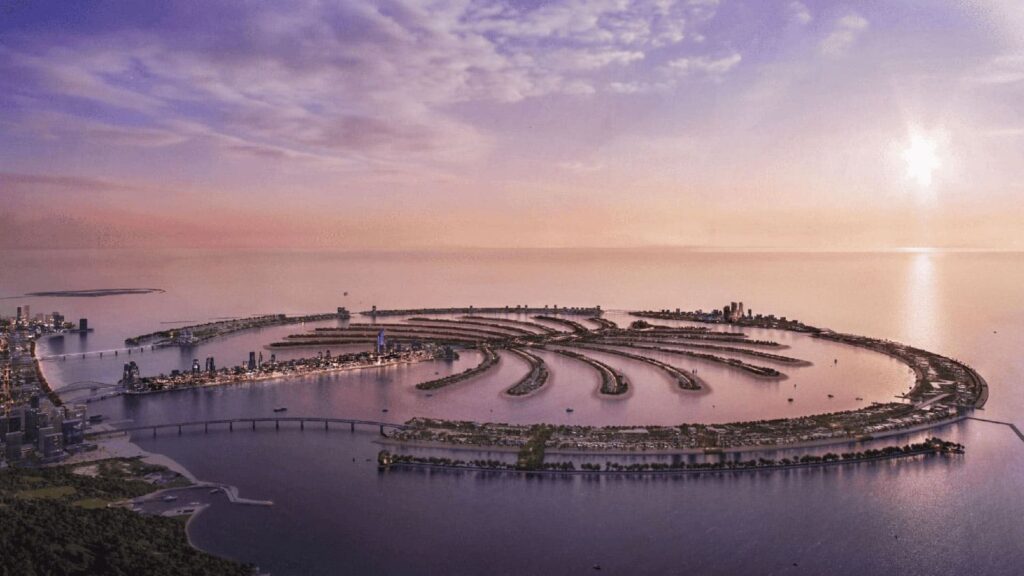
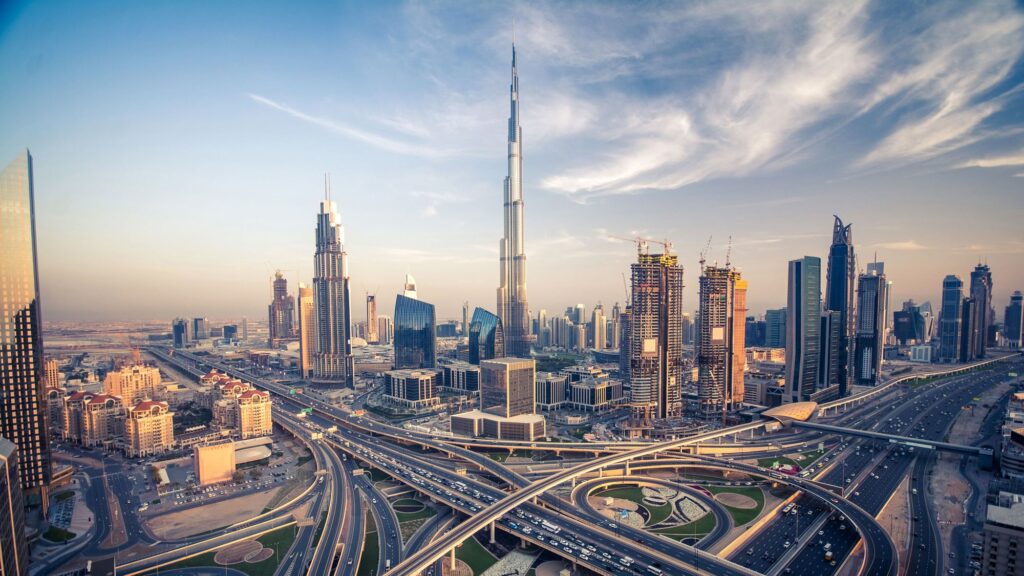
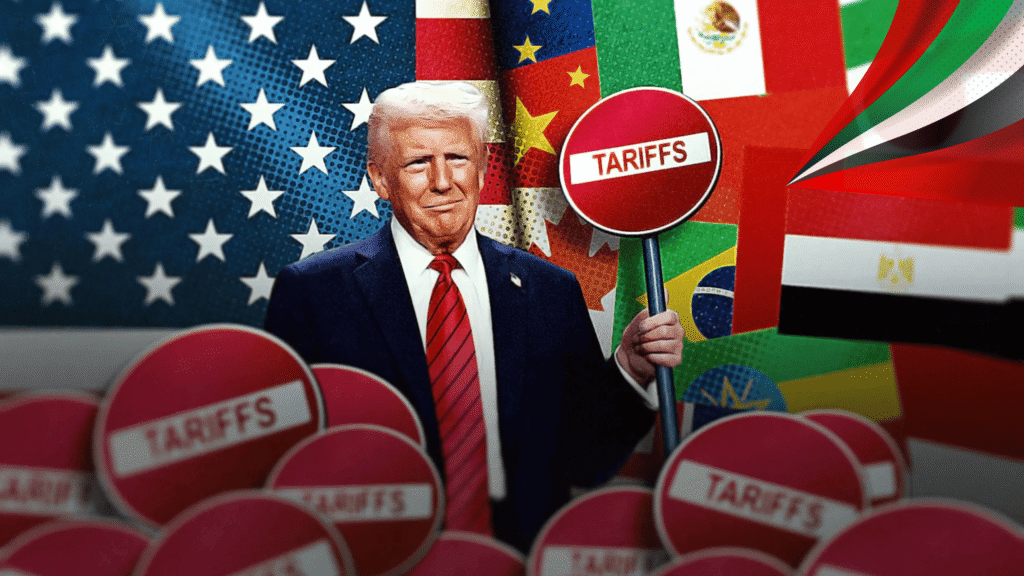
Trump’s 2025 Tariffs Are Reshaping Global Investment Behavior — Why UAE Real Estate Is Emerging as a Prime Safe Haven In April 2025, President Donald Trump announced a sweeping tariff policy: a blanket 10% tax on all imports into the U.S., alongside targeted duties of 34% on Chinese goods, 24% on Japanese imports, and 20% on goods from Europe. On paper, this is a nationalist economic revival effort. In reality, it’s a global signal flare, triggering a massive redirection of capital, manufacturing, and investor focus. One of the biggest beneficiaries of this shift? The UAE — and more specifically, Dubai’s real estate sector. The Dollar Falls, the Dirham Follows — And Investors Smell Opportunity Because the UAE dirham is pegged to the U.S. dollar, any sharp depreciation in the dollar immediately impacts the dirham’s global buying power. Following Trump’s tariff announcements, markets reacted. The dollar declined under pressure from inflationary fears and retaliatory trade restrictions. As a result, the UAE dirham also weakened, unintentionally triggering a wave of affordability for international investors holding stronger currencies. European, Indian, Russian, and Chinese investors — many already watching Dubai for its luxury lifestyle and business-friendliness — saw an opening. High-value properties in premium Dubai neighborhoods were now effectively discounted in currency terms. Dubai’s real estate sector is dollar-linked in valuation, but the costs of acquisition to foreign buyers dropped overnight due to FX dynamics. In short, they were buying Dubai at a discount. Hard Stats: Dubai’s Real Estate Boom Is Quantifiable AED 142.7 billion ($38.9 billion) in property transactions in Q1 2025 alone. That’s a 30% increase in value over Q1 2024. 23% increase in transaction volume YoY. 75% price appreciation per sq. ft. between 2021–2024 across core Dubai sectors. 6,700 millionaires relocated to the UAE in 2024, the highest net inflow globally. Dubai offers rental yields of 6–8% on mid-market residential assets and even higher in select commercial sub-markets. This data isn’t noise. It’s a macro signal. Investors are rebalancing portfolios toward tangible, income-producing assets in politically neutral, tax-efficient jurisdictions. Dubai checks every one of those boxes. The Trump Tariff Effect — Not Just Currency Tariffs aren’t just a financial lever. They distort global trade flows. They inflate manufacturing input costs — particularly in sectors like steel, aluminum, and cement. That’s already feeding into the global construction ecosystem. While U.S. developers are watching costs surge due to steel and copper shortages, Dubai is facing a more modest impact. The UAE’s diversified trade ties and free zone policies allow it to re-route procurement. Still, global inflation is causing off-plan prices to rise. Developers in Dubai are responding with aggressive payment plans: 50-50 splits, post-handover schedules, and developer-backed rental guarantees. For cash-rich investors, this is a window to secure discounted assets in a market still on an upward curve. Dubai’s Tax Framework: Clear, Predictable, and Investor-Friendly In a post-pandemic, tariff-inflated global environment, many countries are responding with higher taxes to cover fiscal gaps. The UAE, however, has doubled down on its investor-centric model. Dubai offers a property investment environment where key burdens like annual property tax, income tax on rental revenue, or capital gains tax on sales simply do not apply. What this means in practical terms: Investors keep the entirety of their rental income. Capital appreciation is not taxed upon exit. There are no ongoing annual government levies on owned property. Aside from a one-time 4% transfer fee on purchase, there are no hidden recurring charges. This simplicity enhances net yield and long-term profitability — especially for high-net-worth individuals and institutional players accustomed to complex and costly tax regimes in the U.S., Europe, or Asia. Logistics, Corporate Relocation, and the Rise of Industrial Real Estate Tariffs are forcing companies to reconsider supply chain geographies. Manufacturing hubs in China are seeing exodus. Europe’s production costs are rising. Enter the UAE: centrally located, politically stable, trade-flexible. Free zones like Jebel Ali, Dubai South, and Sharjah Airport Free Zone are seeing renewed demand. Corporations are relocating parts of their assembly lines and logistics to the UAE to reclassify products’ country of origin for customs reasons. This has knock-on effects: Rising demand for industrial real estate. Bonded storage, warehousing, and value-add processing facilities are in high demand. Developers with exposure to mixed-use and logistics corridors are outperforming. Investor Behavior Is Evolving Where does capital go when markets become unpredictable? It flows toward resilience: Luxury villas and branded residences in Palm Jumeirah, Downtown, and Dubai Hills. Mid-market apartments in JVC, Arjan, and Dubai South for strong rental play. Off-plan launches from tier-one developers like Emaar and Sobha with aggressive terms. Commercial assets with international tenants locking 3-5 year leases. U.S. investors, in particular, are looking to hedge against an inflationary domestic environment and diversify out of dollar-based equities. Dubai offers exposure to real estate with global demand, FX tailwinds, and zero tax drag. Visa Incentives Seal the Deal The 10-year Golden Visa (for property investments above AED 2M) and multi-year residency options have redefined the investment calculus. Investors aren’t just buying an asset; they’re buying a lifestyle, optionality, and mobility. For family offices, this becomes an estate planning tool. For entrepreneurs, it’s a base in a tax-efficient business hub. For retirees, it’s safety, sun, and savings. Real Estate Is the New Neutral Trump’s tariffs weren’t aimed at Dubai. But the shockwaves are global. As the world rebalances, the UAE is emerging not just as a safe haven, but as a forward base for capital preservation and growth. This blog has explored: How tariff-driven currency shifts are driving UAE real estate demand. The unmatched tax efficiency and ownership advantages for foreign investors. Why Dubai’s real estate market is attracting global capital, corporates, and families alike. Where the smart money is flowing: from logistics hubs to branded residences. Dubai’s opportunity isn’t speculative — it’s structural. For globally minded investors, it’s time to seriously consider where growth, safety, and strategic exposure intersect. Right now, that intersection is in the UAE’s property market.
The Oil Story: How It All Began and Oil's Role in Dubai's Early Infrastructure Development The Dubai Journal
History

The Oil Story: How It All Began and Oil’s Role in Dubai’s Early Infrastructure Development

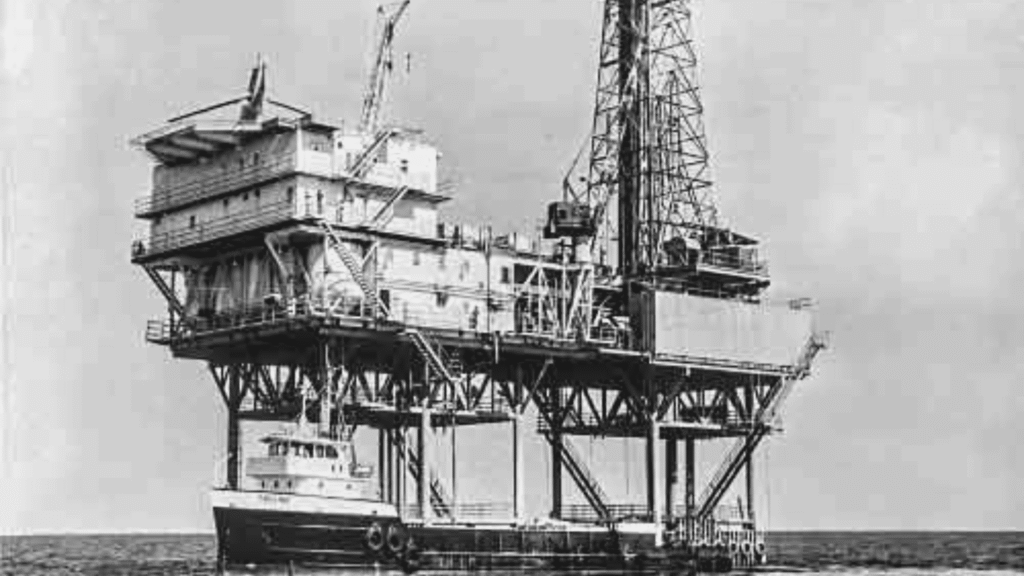
Dubai’s Oil Boom (1966–1990s): The Foundation of Economic Growth The discovery of oil in 1966 marked a pivotal turning point in Dubai’s economic transformation. What was once a modest trading hub rapidly evolved into a global city, fueled by newfound oil wealth. The offshore Fateh-1 well, located approximately 55 miles north of Dubai, began production in 1969, yielding around 100,000 barrels of oil per day. This boom provided the capital necessary for infrastructure expansion, economic diversification, and the creation of a world-class business environment. Sheikh Rashid’s Ingenious Plan to Prove Dubai’s Oil Discovery Before oil was discovered offshore in 1966, Dubai had spent decades searching for it. The emirate had been overshadowed by Abu Dhabi, which struck oil in 1958. When Dubai finally discovered oil 15 miles offshore, skepticism remained among the local population. Many feared it was another false alarm. To prove that Dubai had indeed struck oil, Sheikh Rashid devised a remarkable plan: A Sand Bund was Built – A structure was created on the banks of Dubai Creek to hold liquid. Oil Transported Onshore – A barge was loaded with crude oil from the Fateh Oil Field and towed to Dubai Creek. Oil Piped into the Sand Bund – Sheikh Rashid ordered the crude oil to be pumped into the bund. A Historic Moment Captured – Late photographer Noor Rashid Ali documented the iconic moment when Dubai’s people saw their oil for the first time. The Visionary Leadership of Sheikh Rashid bin Saeed Al Maktoum Sheikh Rashid bin Saeed Al Maktoum, Dubai’s ruler from 1958 to 1990, had the foresight to understand that oil wealth was temporary. He believed in reinvesting revenue from oil into projects that would secure Dubai’s long-term economic sustainability. Under his leadership, oil revenues were strategically allocated to critical sectors: 1. Port Development Port Rashid (1972) and Jebel Ali Port (1979) transformed Dubai into a global maritime hub, enhancing trade and logistics infrastructure. 2. Aviation Expansion Dubai International Airport was developed to position Dubai as an international aviation center, boosting connectivity and tourism. 3. Urban Planning & Business Hubs The Dubai World Trade Centre (1978) marked the beginning of Dubai’s emergence as a global business and financial hub. Key Milestones in Dubai’s Oil Industry 1966 – Oil is discovered at the offshore Fateh field. 1969 – Dubai exports oil for the first time with a shipment of 180,000 barrels. 1972 – Drilling operations begin at the Falah oil field. 1973 – The Rashid oil field is discovered, with production commencing in March 1979. 1982 – The Margham onshore oil field is discovered, with production starting in 1984. 1999 – Emirates National Oil Company (ENOC) establishes its first oil refinery, producing 120,000 barrels per day at a cost of Dh1.5 billion. 2000 – Dubai signs a Memorandum of Understanding (MoU) to join the Dolphin Project, securing Qatari gas supply. 2007 – Dubai Petroleum assumes full control of all oil and gas projects in the emirate. Dubai’s Oil Reserves and Production Today Dubai has an estimated 4 billion barrels of oil in reserve, making it the second-largest holder of oil reserves in the UAE. However, production peaked in 1991 at 410,000 barrels per day (b/d) and has been steadily declining ever since. Currently, Dubai’s oil fields include: Fateh Southwest Fateh Falah Rashid Margham (onshore field, producing ~25,000 b/d of condensate) Key Players in Dubai’s Oil Industry Dubai Petroleum Company (DPC) – The primary operator of Dubai’s oil and gas sector. ENOC (Emirates National Oil Company) – Government-owned company managing oil refining and distribution. EPCO (Emirates Petroleum Products Company) – A subsidiary of ENOC, operating over 125 distribution stations in Dubai and the Northern Emirates. The Shift from Oil to a Diversified Economy Dubai’s oil reserves are expected to be depleted within the next 20 years, making economic diversification a necessity. Sheikh Rashid’s early investments in trade, tourism, logistics, and finance paved the way for Dubai’s post-oil future. Today, Dubai thrives on industries such as: Real estate & infrastructure development Tourism & hospitality Global trade & logistics Financial services & technology Dubai’s oil boom was a stepping stone rather than a destination. The emirate’s leadership understood the transient nature of oil wealth and successfully leveraged it to build a thriving, diversified economy. From the construction of world-class infrastructure to the establishment of global trade and financial hubs, oil played a crucial role in shaping modern Dubai. As Dubai continues to grow as a global investment and business hub, its success serves as a testament to the visionary leadership that transformed temporary oil wealth into lasting economic prosperity.

Dubai’s Vision for World-Class Education: The Road to Becoming a Global Hub by 2033 The Dubai Journal
Education

Dubai’s Vision for World-Class Education: The Road to Becoming a Global Hub by 2033

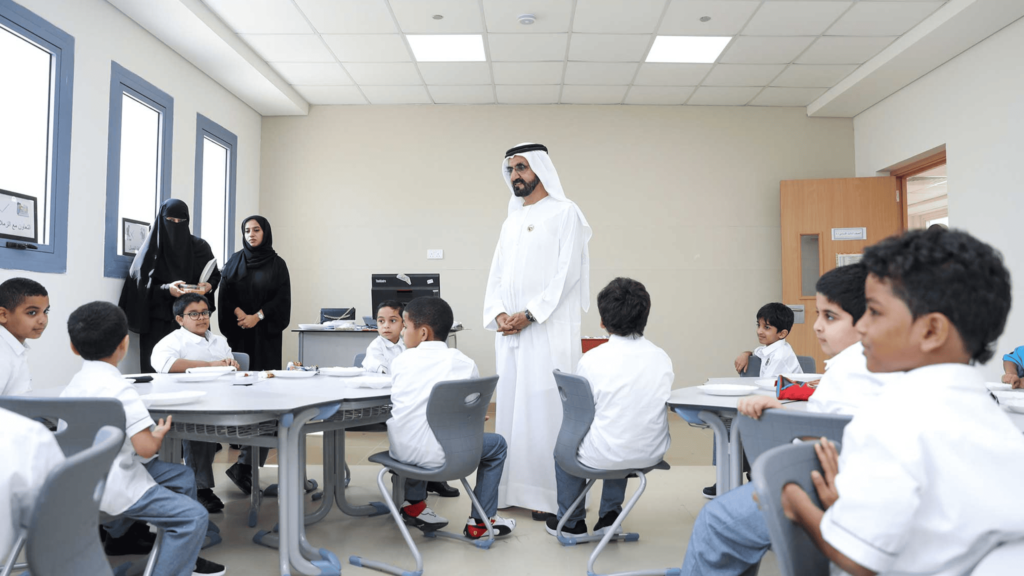
Dubai’s Vision for World-Class Education: The Road to Becoming a Global Hub by 2033 Dubai’s education sector is undergoing a remarkable transformation, guided by the ambitious Education 33 (E33) strategy. The goal? To position Dubai among the top 10 global education hubs by 2033. This vision, aligned with His Highness Sheikh Mohammed bin Rashid Al Maktoum’s foresight, focuses on equipping future generations with the skills, knowledge, and values needed to excel in a rapidly evolving world. Education 33: A Game-Changer for Dubai’s Education System The E33 strategy is a comprehensive roadmap designed to address global challenges and elevate Dubai’s education system. It is built on five key strategic pillars: Empowering Emirati students with high-quality education. Ensuring accessible and equitable education with a focus on student well-being. Promoting lifelong learning by engaging educators, parents, and the broader community. Positioning Dubai as a premier education destination for international students and investors. Fostering a research-driven ecosystem to drive innovation and excellence. Dubai’s Thriving Private Education Sector Dubai’s private schools are setting global benchmarks. According to PISA assessments, Dubai ranks among the world’s top 14 in mathematics, science, and reading, reinforcing its commitment to academic excellence. With 227+ private schools offering 17 diverse curricula, including British (36%), Indian (25%), American (15%), and International Baccalaureate (7%), students have access to world-class education tailored to global standards. Early Childhood and Primary Education: A Strong Foundation Dubai recognizes that a robust foundation is essential for lifelong learning. The emirate currently has: 274+ registered preschools, nurturing over 27,500+ young learners. 387,000+ students enrolled in primary education, benefiting from 17 different curricula. A strong emphasis on STEM education and digital literacy, ensuring students are prepared for the future workforce. Higher Education: Building the Workforce of Tomorrow Dubai is rapidly becoming a leading hub for higher education, attracting students from around the world. The emirate boasts: 34,893 students enrolled in higher education institutions. 7,679 graduates annually, contributing to a skilled workforce. 661 specialized programs, catering to diverse fields such as business, technology, engineering, and humanities. 39 higher education providers, with 34 internationally accredited institutions, ensuring globally recognized degrees. A learner-centered approach, shifting from traditional models to personalized learning experiences Innovation and Technology: Transforming Classrooms Dubai is revolutionizing education through technology. Smart classrooms, AI-driven learning tools, and digital platforms are enhancing the student experience. Investment in STEM programs, coding, and robotics prepares students for the evolving job market, ensuring they stay ahead in an AI-driven economy. Inclusivity and Multiculturalism: A Diverse Learning Ecosystem Dubai’s education system is one of the most diverse in the world, with students from over 180 nationalities. The Dubai Inclusive Education Policy Framework ensures that students with disabilities receive specialized support through tailored learning programs and assistive technologies. This inclusive approach fosters a welcoming environment for learners from all backgrounds. Raising the Bar: Teacher Standards and Quality Assurance Ensuring high teaching standards is a priority in Dubai. The Teacher and Educational Leadership Standards (TELS UAE) initiative guarantees that educators meet the highest qualifications. Continuous professional development programs keep teachers updated on modern methodologies, while KHDA and Ministry of Education inspections maintain world-class education standards across public and private institutions. Why Dubai is the Ultimate Education Destination With its world-class infrastructure, government-backed reforms, and commitment to innovation, Dubai is on a clear trajectory to becoming a global education powerhouse. Whether it’s early childhood learning, primary and secondary education, or higher education, Dubai is setting benchmarks that rival top international education systems. As the emirate continues to attract students, investors, and educators worldwide, its Education 33 strategy will shape the future of learning and cement Dubai’s status as a leader in global education. Dubai’s vision for education is bold, strategic, and future-ready. With an unwavering commitment to innovation, inclusivity, and academic excellence, the city is well on its way to achieving its 2033 goal. As Dubai continues to evolve as a top education hub, students, parents, and investors alike can expect unparalleled opportunities in a dynamic and thriving learning environment.    

Business

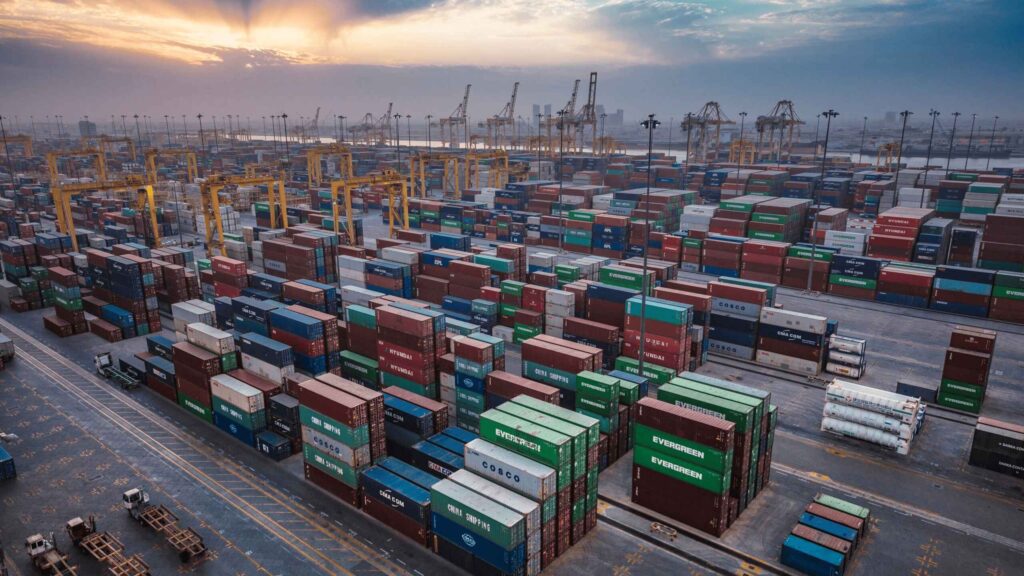
Dubai’s Trade & Industrial Growth: Expanding Opportunities, Strengthening Global Presence

Dubai continues to solidify its position as a global trade and industrial hub, driving economic growth through strategic initiatives, international partnerships, and robust industrial expansion. With remarkable advancements in foreign trade, non-oil exports, and industrial development, the emirate is fast-tracking its economic ambitions while creating new opportunities for businesses and investors. Foreign Trade: A Trillion-Dirham Economy   Dubai’s trade sector has reached new milestones, with the UAE’s total foreign trade hitting AED2.997 trillion ($815.7 billion) by the end of 2024, reflecting a 14.6% year-on-year (YoY) increase. This growth far surpasses the 2.4% global trade growth, showcasing the country’s ability to navigate economic shifts and capitalize on emerging markets.   Non-Oil Trade Expansion Non-oil trade remains a key driver of economic diversification: Non-oil exports surged to AED561.2 billion, marking an impressive 27.6% increase. Comprehensive Economic Partnership Agreements (CEPA) played a pivotal role, contributing AED135 billion, a 42% rise. Re-exports reached AED734.4 billion, growing by 7.3% YoY, strengthening Dubai’s position as a re-export powerhouse. Rising Imports Reflect Growing Demand The UAE’s non-oil imports increased 14.2%, totaling AED1.701 trillion. The top imported commodities included: Gold (a major trade commodity for Dubai) Mobile phones (aligning with the region’s high consumer demand and tech industry growth) Petroleum oils (critical for industrial and energy needs) Industrial & Warehousing Market on the Rise Dubai’s industrial and warehousing sector is experiencing strong demand, driven by logistics, e-commerce, and manufacturing growth: JAFZA (Jebel Ali Free Zone) rents surged by 28% YoY, reflecting high demand for premium industrial spaces. Warehouse rental rates in key areas like Dubai South and Dubai Investment Park (DIP) have seen significant increases, fueled by e-commerce and logistics expansion. Dubai’s industrial zones continue to attract global manufacturers and distributors, reinforcing its role as a strategic gateway for regional and international trade. A Thriving Hub for Trade & Industry Dubai’s strategic policies, strong economic vision, and world-class infrastructure continue to propel its trade and industrial sectors forward. With growing foreign trade, an expanding industrial base, and a thriving business ecosystem, Dubai remains a powerhouse for global investment and economic success. As the emirate accelerates towards its long-term economic goals, businesses and investors can expect even more opportunities in the region’s evolving trade and industrial landscape.

Business

The UAE’s Role in Shaping Global Economic Cooperation through BRICS

The UAE’s accession to BRICS in 2024 marks a pivotal step in its global economic strategy, reinforcing its commitment to international collaboration and sustainable development. BRICS, comprising Brazil, Russia, India, China, and South Africa, represents 45% of the world’s population (around 3.3 billion people) and accounts for approximately 37.3% of global GDP. Projections indicate that BRICS could surpass the G7 in global trade by 2026, positioning it as a key player in the global economy. UAE’s Strategic Industrial Engagement within BRICS As part of its expanding role, the UAE recently participated in the 8th BRICS Industry Ministers Meeting, alongside Brazil, Russia, China, Egypt, Ethiopia, India, Iran, and South Africa. The discussions centered on strengthening multilateralism for equitable global development and security. A major outcome of the meeting was the launch of a Centre for Industrial Competences, in collaboration with the United Nations Industrial Development Organisation (UNIDO). This initiative aims to enhance industrial capabilities, support the development of industrial skills, and promote partnerships within the framework of the New Industrial Revolution (NIR). The UAE’s participation highlights its commitment to driving innovation and industrial growth within BRICS, focusing on key sectors such as the chemical industry, metals, SMEs, smart manufacturing, clean technology, and medical equipment. The declaration also emphasized the importance of industrial policy coordination in alignment with the United Nations Sustainable Development Goals (SDGs), particularly SDG 9 on industry, innovation, and infrastructure. Key Economic Contributions and Initiatives Trade and Logistics Enhancement: The UAE has developed multimodal trade routes, significantly reducing transit times. For instance, cargo from Karachi can now reach Uzbekistan in just 10 days, improving supply chain efficiency across BRICS nations. Clean Energy Investments: The UAE contributes $400 million to the Energy Transition Accelerator Financing (ETAF) platform, supporting renewable energy projects in emerging markets. Infrastructure Development: BRICS members are addressing a $4 trillion global infrastructure gap through significant investments in ports, railways, and airports to strengthen trade corridors and economic integration Financial Collaboration and Technological Advancements Digital Tax and Cross-Border Transactions: The UAE is engaging in tax digitalization and technical cooperation with BRICS countries to facilitate seamless financial transactions and regulatory frameworks. Industrial Innovation and Startups: The BRICS Startup Forum plays a crucial role in fostering innovation-driven entrepreneurship, with dedicated efforts to support industrial transformation and the adoption of new technologies within the BRICS framework. New Industrial Revolution (NIR) Initiatives: The UAE, along with BRICS members, is leveraging smart manufacturing, AI-driven production, and clean technology to advance industrial development and sustainability goals. Strengthening Global Economic Influence The UAE is prioritizing projects that align with BRICS’ sustainable development agenda, such as clean energy initiatives and infrastructure investments. Through knowledge sharing and capacity-building programs, the UAE contributes its expertise in renewable energy, logistics, and agriculture to support development within BRICS nations.The UAE’s active engagement with BRICS fosters inclusive economic growth, strengthens international trade networks, and positions the UAE as a vital contributor to sustainable global development. As BRICS expands its influence, the UAE’s strategic contributions help shape a balanced, cooperative, and prosperous global economic future.  

Dubai’s Global City Index 2024: A Testament to Excellence
Research

Dubai’s Global City Index 2024: A Testament to Excellence

Dubai has once again solidified its status as a leading global metropolis, securing remarkable achievements across multiple international indices in 2024. The city’s strategic vision, robust economy, and commitment to innovation have propelled it to new heights, surpassing global competitors and reinforcing its position as a premier destination for investment, business, and quality of life. Dominating the Global City Index 2024 Dubai has been ranked #1 in the Middle East and Africa for the second consecutive year, and more impressively, has climbed to 5th place globally in the Global City Index 2024 by Brand Finance. This significant jump places Dubai ahead of economic powerhouses like Singapore, Los Angeles, and Amsterdam, with an outstanding score of 86/100. Key Performance Highlights #1 globally in Reputation and Investment Appeal: Dubai is the most desirable investment destination worldwide, reflecting its business-friendly environment and economic stability. #2 globally for Economy: The city’s strategic location and advanced logistics infrastructure have strengthened its role as a global trade and business hub. #1 globally for Future Growth Potential: Dubai continues to lead in innovation, driven by institutions like the Dubai Future Foundation, which fosters technological and business advancements. Significant improvements in Local and Remote Work Opportunities: Climbing from 24th to 4th place globally, Dubai’s dynamic business environment has enhanced its attractiveness for professionals worldwide. Unmatched Quality of Life and Investment Potential Dubai’s commitment to offering a world-class lifestyle is evident in its top rankings across multiple categories: Leading Education System: Ranked #1 in both the ‘Great Private Schools’ and ‘Great Publicly Funded Schools’ Index. Seamless Connectivity & Visa Access: Excelling in Local and International Connectivity, making it one of the easiest cities for expatriates and businesses to operate in. Corporate Tax Advantage: Ranked 3rd globally for its attractive corporate taxation policies, further strengthening its appeal to businesses and investors. Regional and Global Recognition Dubai’s influence is not only regional but also extends onto the global stage: Second Best City of Global Significance: Surpassing London, Dubai continues to elevate its reputation as a key player in international business and finance. Top Rankings in MENA: Leading in key areas such as work opportunities, investment prospects, living standards, retirement benefits, education quality, and tourism appeal. Sustainability and Human Development Dubai and the UAE’s commitment to sustainable development is evident through the following rankings: Travel and Tourism Development Index 2024: The UAE ranked #1 in MENA and 18th globally, improving its score by 4.4% since 2019, highlighting the nation’s dedication to sustainable tourism growth. Human Development Index 2024: The UAE achieved #1 in MENA and #17 globally, climbing nine places and surpassing advanced economies like Canada, the U.S., and Japan. Key indicators include a high life expectancy of 79.2 years and strong performance in education metrics. World Competitiveness and Economic Strength The UAE’s ascent in global competitiveness further cements its economic strength: Ranked #7 globally in the World Competitiveness Report 2024, climbing three places. #2 in Economic Performance, #4 in Government Efficiency, and #10 in Business Efficiency. #1 in 11 global indicators, including industrial disputes and labor force participation. #2 in 9 indicators, including tourism receipts and adaptability of government policy. A Promising Future Dubai’s continuous rise in global rankings is a testament to its visionary leadership, strategic investments, and unwavering commitment to progress. Whether it’s in business, education, sustainability, or quality of life, the city continues to set benchmarks for excellence, attracting investors, entrepreneurs, and professionals from around the world. With its unparalleled infrastructure, business-friendly policies, and forward-thinking initiatives, Dubai is not just a city—it is a global force shaping the future. As it continues to climb the ranks of the world’s most influential cities, Dubai’s trajectory remains one of sustained growth, innovation, and prosperity.

Technology

Dubai Pioneering the Future of Smart Cities With AI Revolution

AI’s Massive Economic Potential Artificial Intelligence (AI) is going to be a big game changer in the global economy, and much of the value potential is up for grabs. According to industry studies, that AI could contribute up to $15.7 trillion to the global economy in 2030, more than the current output of China and India combined. Of this, $6.6 trillion is likely to come from increased productivity and $9.1 trillion is likely to come from benefits to consumers. the UAE is expected to see the largest impact of close to 14% of 2030 GDP. The annual growth in the contribution of AI is expected to range between 20-34% per year across the region Dubai Universal Blueprint for Artificial Intelligence The ‘Dubai Universal Blueprint for Artificial Intelligence’ is designed to accelerate the adoption of artificial intelligence (AI) applications. It seeks to achieve the targets of Dubai Economic Agenda D33 by contributing AED 100 billion annually to Dubai’s economy, increasing its productivity by 50 per cent through the implementation of innovative digital solutions. Key Goals of the Blueprint The plan serves as a roadmap for enhancing Dubai’s quality of life through AI by: incorporating AI across all strategic sectors providing the best environment for AI companies and global talent delivering superior government services through future technologies transforming Dubai into a global hub for AI governance and legislation Over the past years, the UAE government has launched and executed multiple AI-driven strategies. The Smart Dubai Strategy aims to transform Dubai digitally and is based on four primary pillars: Personalized Seamless Safe Efficient The United Arab Emirates (UAE) is at the forefront of utilising artificial intelligence (AI) to grow numerous sectors in today’s fast-paced world. AI integration has become a crucial aspect in driving the growth of many industries. AI in Various Sectors of the UAE Transportation: Dubai Autonomous Transportation Strategy that aims to transform about 25% of the total transportation in Dubai to autonomous mode by 2030. This would help reduce: Accidents by 12%, Carbon emissions by almost 12%, Transportation costs by around 44%. Financial Services: Provide personalized banking by utilizing credit risk modelling Chatbots for personalized financial advice, automation, and fraud prevention. Oil and Gas: Analyze seismic data to locate new drilling sites, automate maintenance, optimize supply chains, and automate repair of machinery. Forecast demand for gas, automate drilling equipment, and monitor pipelines. Healthcare: Delivering telehealth services for online doctor consultations and automating administrative tasks It has helped radiologists locate anomalies and facilitate pre-diagnosis on the basis of prevalent symptoms in the patient. Real Estate: The synergy of machine learning and artificial intelligence to assists with differentiating core opportunities from casual browsers but also delivers thorough information to assist real estate buyers in their decision-making process. VR experiences Logistics and Transportation: Data-driven insights to streamline supply chain operations. Machine learning algorithms optimize router computer vision to improve warehouse functionality. AI-powered chatbots also facilitate order tracking and offer predictive analysis to improve the speed of delivery. The United Arab Emirates (UAE) is embracing artificial intelligence as a core component in shaping its future economy and infrastructure. With initiatives like the Dubai Universal Blueprint for Artificial Intelligence and strategies across sectors like transportation, finance, healthcare, and real estate, Dubai is well on its way to becoming a global hub for AI governance and innovation. As AI continues to drive productivity and economic growth, Dubai’s proactive approach will not only enhance quality of life but also position the city as a leader in the global AI-driven economy.

Infrastructure

Impact of Transportation Infrastructure on Property and how Dubai Metro play a key role

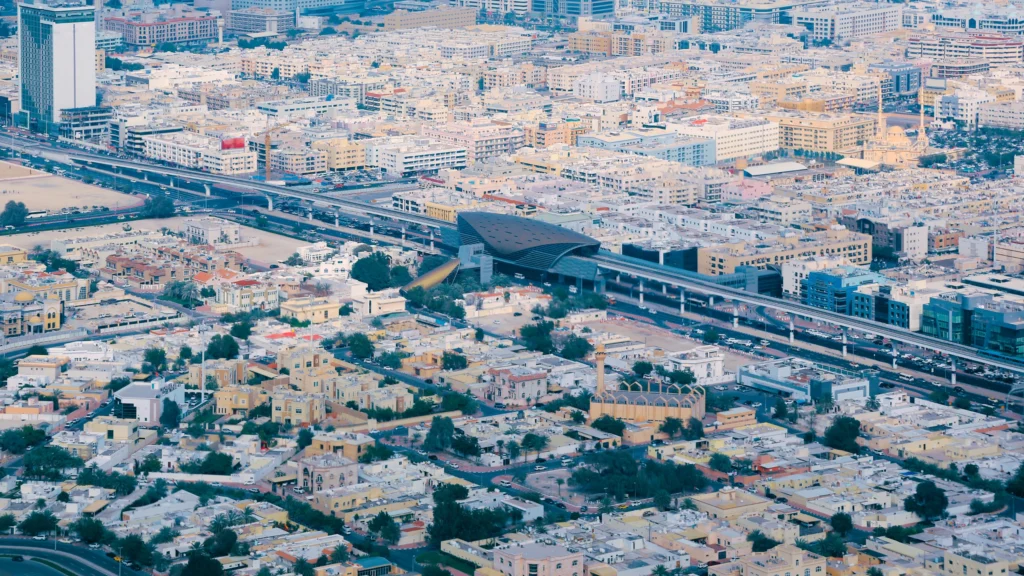
The Challenges of Urbanization As cities continue to grow at a fast pace, they undergo an economic transformation by creating employment opportunities and attracting skilled workers. However, urbanisation also creates challenges, as cities are at times unable to efficiently manage unprecedented population growth. Lack of urban planning can result in high real estate prices and lack of affordable housing, increasing levels of pollution, and traffic congestion. In this case cities should invest in new technologies and sustainable solutions to facilitate movement and flow within urban centres. Transit-Oriented Developments (TODs) Transit oriented developments (TODs) are a planning strategy that aims to concentrate jobs, communities, and services around public transport stations. TODs integrate housing, offices, retail, hospitality and supporting amenities within a walkable environment located in proximity and well-connected to public transport networks. Successful TODs are ecosystems that offer a diverse range of real estate product that caters to various income levels and a wide demographic to foster inclusivity and liveability. Unlocking the highest value from surrounding land and real estate is a critical factor towards making TODs viable. Planned effectively, TODs present an opportunity to meet the real estate needs of a growing city without undermining the importance of open spaces. Dubai’s rapid Growth with Infrastructure development Dubai have seen rapid development over recent decades, supported by investment in infrastructure and improvements in technology. These trends have supported the development of new communities, as the city has expanded. Dubai’s population is growing 10.7% annually, and the current metro area population of Dubai in 2024 is 3,051,000, a 1.43% increase from 2023. This exponential population growth coupled with increasing tourist arrivals has challenged the city’s infrastructure over the years. Dubai Metro influence on the Growth of Real Estate investment The introduction of the Dubai Metro represents a major shift in the city’s mobility infrastructure and has had a significant contribution to accessibility and connectivity in the city, facilitating its expansion into a polycentric city. Well-planned mixed-use communities, have successfully leveraged on the metro connectivity to attract both residents and tourists. As the region’s transport infrastructure expands across key cities, TODs are likely to play an increasingly important role in real estate development. According to industry studies, that developments within a 15-minute proximity to metro stations have outperformed a wider market, with the right amenities and suitable urban infrastructure. Between 2010 and 2023, properties which were within a 15-minute walk of a Dubai Red Line metro station saw prices increase by 26.7% on average, outpacing Dubai’s average increase of 24.1% over the same period. And average rental rates for properties within the same proximity increased by 4.1%. As the city continues to expand, Dubai metro, likely to play an even more pivotal role in shaping Dubai’s urban landscape and driving sustainable economic growth.

The UAE: A Strategic Geographic Advantage
Research

At the Crossroads of Commerce: The UAE’s Strategic Advantage

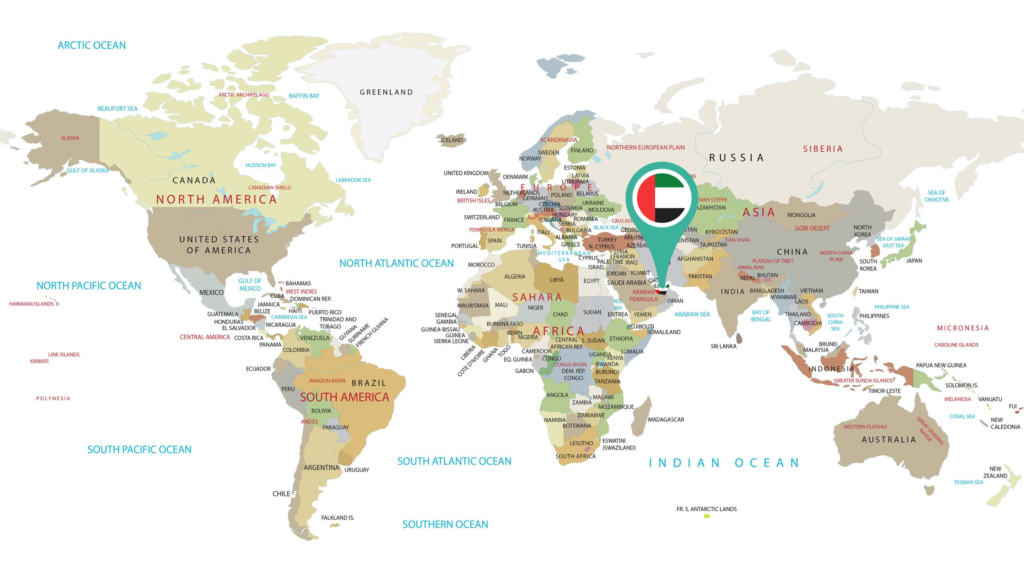
The UAE: A Strategic Geographic Advantage The UAE’s prime location at the heart of Europe, Asia, and Africa has been instrumental in its rise as a global trade hub. Its strategic position in the Arabian Gulf, coupled with world-class infrastructure and a conducive business climate, has solidified its dominance in the Middle East. Beyond its economic importance, the UAE’s geography is a defining factor in its identity. Its diverse landscape, from arid deserts to stunning coastlines, contributes to its allure as a tourist destination. Additionally, the country’s historical and geographical context has shaped its current role as a political and economic powerhouse. With its capital Abu Dhabi and the dynamic city of Dubai, the UAE stands as a beacon for businesses and investors worldwide. Its proximity to key markets and major shipping lanes further enhances its status as a global trade cent Unique Geographical Features of the UAE The UAE’s strategic location offers special geographical features that contribute to its distinctiveness and allure. Here are some noteworthy aspects: The UAE has a diverse terrain, ranging from vast deserts like the Rub’ al Khali to stunning mountain ranges like the Hajar Mountains. This diverse landscape provides opportunities for adventure tourism and outdoor activities. With a lengthy coastline along the Persian Gulf, the UAE boasts breathtaking beaches and crystal-clear waters. Destinations such as Jumeirah Beach and Corniche Beach offer residents and visitors a chance to relax, unwind, and indulge in water sports. Sharing borders with Oman to the east and Saudi Arabia to the south and west, the UAE’s strategic positioning enhances the regional influence and facilitates cross-border trade and collaboration. The UAE government’s strategic focus on creating a favorable investment climate has led to developing of world-class infrastructure and business-friendly policies. This attracts international investors and bolsters economic growth. The UAE is home to major ports such as Jebel Ali Port, Khalifa Port, and Port of Fujairah. These state-of-the-art facilities serve as vital hubs for global trade, contributing to the country’s status as a critical logistics and maritime center. The UAE’s geographical features, forward-thinking strategies, and strong government support position the country as a unique destination for business, tourism, and investment. Trade Advantages of the UAE’s Location The geographical advantages of the UAE offer many benefits, especially in terms of trade. Let’s explore: The UAE’s location and Its well-connected airports, seaports, and road networks facilitate efficient transportation of goods to and from various global destinations. The UAE’s strategically positioned free trade zones attract foreign investments and foster economic growth. These zones offer businesses tax benefits, streamlined customs procedures, and 100% ownership, making them highly attractive for commercial activities. The UAE’s proximity to emerging markets in the Middle East and Asia provides businesses with valuable opportunities for expansion and access to a broad consumer base. The UAE’s commitment to infrastructure development is evident in its investment in public projects. State-of-the-art facilities, such as Jebel Ali Port and Dubai International Airport, further enhance the UAE’s position as a global trade hub. The UAE strategic location has led to diverse industries, including logistics, finance, tourism, and manufacturing. This diversity creates a robust and dynamic economy, attracting investors and fostering economic stability. Considering these trade advantages, it’s clear why the UAE strategic location is a crucial driver of its economic success and plays a vital role in the country’s development and prosperity. Climate and the UAE Economy The UAE’s arid climate, while presenting challenges, has also driven economic innovation. Its strategic coastal location on the Arabian Gulf and Arabian Sea has fostered a robust maritime trade sector, positioning the nation as a regional shipping hub. To overcome water scarcity and food security issues, the UAE has invested heavily in advanced agricultural technologies. Hydroponics and vertical farming are transforming the agricultural landscape, reducing reliance on imports while diversifying the economy. A Historical Perspective of UAE’s Geography The UAE’s historical location has been pivotal in shaping the region’s development and cultural heritage. Situated at the crossroads of ancient trade routes, the UAE has been a hub of commerce and exchange for centuries. Its strategic position along the Arabian Gulf and the Arabian Sea facilitated maritime trade between the East and the West, allowing goods, ideas, and cultures to be exchanged. Furthermore, the UAE’s coastal landscapes and natural harbors provided safe havens for seafarers and traders, attracting merchants worldwide. The region’s historical significance is evident in archaeological sites, such as the ancient trading port of Mleiha and the well-preserved city of Al Ain, which offer glimpses into the UAE’s rich history and cultural diversity. How UAE’s Location Shaped Its History UAE Strategic Location has played a significant role in shaping the rich history of the UAE. The UAE’s geographical advantage and location features have left an indelible mark on the country’s historical narrative. Here are some key ways the UAE’s location has shaped its history: Situated at the intersection of ancient trade routes, the UAE became a thriving hub for commerce, connecting diverse cultures and facilitating the exchange of goods and ideas. With a vast coastline along the Arabian Gulf and the Arabian Sea, the UAE’s ports and harbors fostered maritime trade, attracting merchants worldwide. The UAE strategic location immersed it in a melting pot of cultures, resulting in a diverse society enriched by the influences of various civilizations. The UAE’s geographic position provided natural defenses, protecting against potential invasions and as a buffer between neighboring regions. Unique geographical features, such as prominent mountains and distinct landmarks, served as navigational aids for travelers and seafarers throughout history. The UAE’s strategic location has influenced its historical development and continues to shape its present-day growth, making it a vibrant global destination. How UAE’s Location Influences Middle East Politics Situated in a region of geopolitical importance, the UAE Strategic Location grants it a unique vantage point to engage with neighboring countries and global powers. Its strategic position allows the UAE to mediate, facilitating diplomatic dialogues and negotiations. Additionally, the country’s stability and security are paramount in maintaining peace and strength

Real Estate

8 reasons to invest in Dubai’s real estate

This dynamic city is one of the most exciting and attractive investment arenas in the world. Today, the name Dubai is synonymous with international trade, innovation, tourism, retail & serves as a world class geographic gateway to thousands of international companies that are headquartered here. Its real estate market, in particular, has captivated investors worldwide with its promise of lucrative returns and unparalleled opportunities. Here are 8 compelling reasons to invest in Dubai real estate: Low entry point : because Dubai is a fairly new city with a lot of growth potential today the entry point is low compared to other major world cities. You can buy a property in Dubai starting from USD 275,000 compared to USD 650,000 in Paris and New York. While in Singapore, Hong Kong and Munich you will need a minimum of USD 1 million. Competitive price per sq ft – Dubai is still fairly priced compared to the rest of the world. Price per sq ft averages at USD 351.7 per sq ft in Dubai while in cities like New York, Tel Aviv it averages at $1600 per sq ft and in London and Paris at $2400-2600 per sq ft. Large square footage : Housing affordability can vary from city to city. When it comes to value for your money the size of property you get for 1 million dollars differs significantly across the globe. In Hongkong, London & New York for example you will get 200-600 sq ft space for 1 million dollars whereas in Dubai you will be able to get about 1,469 sq ft for the same amount of money. Dubai definitely offer more bang for your buck. Tax-Free Environment: One of the most attractive features of investing in Dubai is its tax-free environment. With no income tax, capital gains tax, or property tax, investors can enjoy higher returns on their investments compared to many other global markets. This favorable tax regime makes Dubai an enticing destination for both local and international investors seeking to maximize their wealth. High Rental Yields: Dubai offers investors the opportunity to earn attractive rental yields, thanks to its strong rental market driven by a growing population and increasing demand for quality housing. With rental yields averaging between 6% to 10%, investing in Dubai real estate can generate steady income streams and provide a solid foundation for wealth accumulation. Regulated real estate market: Dubai real estate is regulated by the government’s Dubai Land Department and their Real Estate Regulatory Agency that monitors, manages and audits all developers, brokerages and transactions. This gives an inventory the peace of mind while investing knowing his money is safe. Diverse Investment Options: Dubai offers a diverse range of investment options to suit every investor’s preferences and objectives. Whether you’re interested in luxury villas, waterfront apartments, commercial properties, or off-plan developments, Dubai’s real estate market caters to a wide spectrum of investment opportunities tailored to different budgets and preferences. Future Growth Prospects: With ambitious mega-projects such as Expo 2020 and Dubai Vision 2040, the city’s real estate market is poised for continued growth and expansion. These initiatives drive demand for residential, commercial, and hospitality properties, creating new avenues for investment and ensuring a bright future for Dubai’s real estate sector. Investing in Dubai real estate offers a unique combination of stability, profitability, and growth potential that is hard to find elsewhere. With its favorable tax environment, high rental yields, world-class infrastructure, and strategic location, Dubai remains a top choice for savvy investors looking to capitalize on the city’s unrivaled opportunities and secure their financial future.  

Scroll to Top

Register You'r Interest

Download Apartment Brochure
Download Villa Brochure

Register Your Interest